10 Fehler, die Touristen in Kroatien machen (und die ehrliche Lösung für jeden einzelnen)
The trip is wonderful. The mistakes are avoidable.
Croatia is the easiest country in Europe to get almost right — and the easiest to get slightly wrong. The coast is as beautiful as the photographs promise, the food is better than most visitors expect, and the sea really is that clear. But the tourist mistakes in Croatia are almost always the same ones, made by almost everyone, on their first trip. They are not disasters. They are the small, avoidable things: the wrong month, the unbooked ferry, the restaurant on the square, the beach that turns out to be rock.
This guide is the honest version. Every mistake below comes with the fix that actually works, checked against what the country is really like in November 2026. None of it is meant to put you off — Croatia done well is one of the best trips in Europe. It is just a much better trip when you skip the ten traps below.
The 10 tourist mistakes in Croatia, one by one
1. Only seeing Dubrovnik and Split
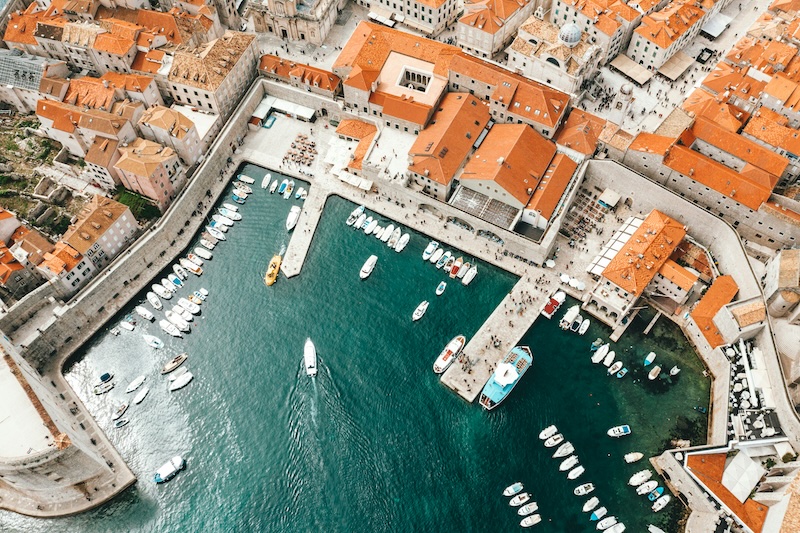
Dubrovnik and Split are wonderful, and they are also the two places every first-timer goes. The mistake is stopping there. Croatia has more than 1,200 islands, islets and rocks — 48 of them inhabited — plus Istria’s hill towns, Zagreb’s cafe culture, the Kvarner coast and the whole green interior that most visitors never see. A trip that is only two cities is a trip that misses the country. It is one of the quietest tourist mistakes in Croatia — nothing goes wrong, you just come home having seen the postcards and missed the country.
💡The honest fix: give at least one day to somewhere that is not a famous old town. A day trip to an island from Split, a night in Korčula or Vis, a morning in Trogir, or a weekend in Istria changes the whole shape of the trip. Our guides to the 7 der besten Tagesausflüge ab Split und die Die besten Aktivitäten in Dubrovnik are built around exactly this — the days out that make the cities make sense.
2. Skipping the islands
This is the most common of all the tourist mistakes in Croatia, and the strangest, because the islands are the point. Brač, Hvar, Korčula, Vis, Mljet, Šolta, Lopud — each one is a different Croatia, and the ferry is part of the holiday, not a chore. Visitors who stay on the mainland see the coast; visitors who cross the water see the country.
💡The honest fix: build at least one island into the plan before you book anything else. Even a single day trip — Brač from Split is under an hour by ferry — is enough to understand why the islands matter. If you have three or four days, base yourself on one island instead of hopping every night. The slow version is the good version.
3. Coming in August and expecting it to feel like June
August is Croatia’s hottest, busiest and most expensive month, and it is also the month most people choose. Daytime highs on the coast sit around 30°C and climb well above that in heatwaves; Dubrovnik’s limestone streets trap the heat and can feel several degrees hotter still. On cruise-ship days, up to 10,000 day visitors can flood Dubrovnik’s Old Town at once, and accommodation in Hvar Town can cost close to double the shoulder-season price. It is still a good holiday — the sea is at its warmest, around 24–26°C — but it is not a relaxed one. It is one of the most expensive tourist mistakes in Croatia, and the easiest to avoid.
💡The honest fix: if your dates are flexible, choose June or September instead. The sea in September is still around 23–24°C, the crowds thin out, and prices drop sharply once European schools go back. If August is the only option, plan around the heat and the crowds: sightsee before 10 in the morning, book everything ahead, and stay somewhere slightly outside the famous centres. Our guide to the best time to visit Dubrovnik lays out the month-by-month trade-offs honestly.
4. Not booking ferries and park tickets ahead
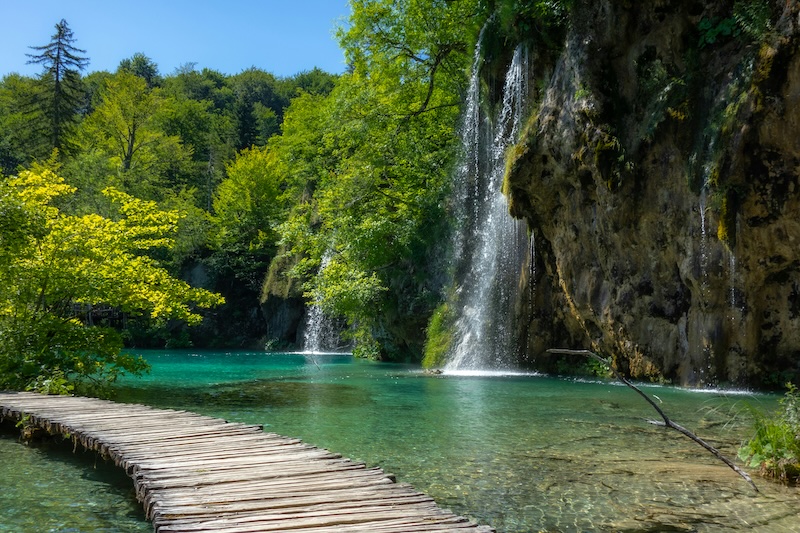
Two of the most-booked things in Croatia sell out, and visitors keep discovering it at the gate. Plitvice Lakes runs a timed-entry system: in July and August, online booking is effectively mandatory, tickets sell out weeks in advance, and arriving without one risks being turned away.
A summer adult ticket costs €40 (November 2026), and you cannot enter before your booked time slot. Krka works the same way in July and August — €40 in summer, with daily visitor caps — and swimming at Skradinski Buk has been banned since 2021, so anyone arriving with a towel and a plan to swim in the falls is in for a surprise. On the ferries, car spaces on popular routes like Split–Hvar and Split–Brač sell out weeks ahead in July and August, and Jadrolinija’s booking opens months in advance.
💡The honest fix: book Plitvice and Krka tickets online the moment your dates are fixed, through the official park websites — np-plitvicka-jezera.hr Und npkrka.hr — and book car ferry spaces bei jadrolinija.hr as early as you can. Foot passengers can usually buy at the pier, but a car without a reservation in August is a queue, not a crossing. Our Reiseführer Plitvicer Seen covers tickets, routes and timing in detail.
5. Expecting sandy beaches
This is the gentlest of the tourist mistakes in Croatia, and the one that catches the most families. Croatia is a pebble and rock coast, not a sand coast. The limestone karst drops straight into the sea, so what passes for a beach is graded stone — fine white shingle at the best of them, fist-sized pebbles at most, and bare rock or concrete terrace in the towns. The genuine sand is rare enough to list: Šunj on Lopud, Bačvice in Split, Sakarun on Dugi Otok, Rajska plaža on Rab, Queen’s Beach at Nin, and Vela plaža on Krk are the usual few.
💡The honest fix: pack water shoes — they are the single most useful thing in a Croatian beach bag — and enjoy the trade-off, because pebbles are exactly why the water is so clear. Sand churns up and clouds the water; pebbles do not. If sand is non-negotiable, choose your beach from the short list above before you book your stay, rather than discovering it on arrival. Our guide to where to swim near Dubrovnik says plainly which beaches are pebble, which are rock, and how to get to each one.
6. Driving into the old towns
No car enters Dubrovnik’s Old Town — the whole walled city is pedestrian-only, and the streets around it are a controlled traffic zone where only approved vehicles may enter in season. The same is true in spirit in Split, where Diocletian’s Palace is a pedestrian maze and parking near the Riva is scarce and expensive. Visitors who drive to their hotel door in the old town end up circling, paying €3 to €10 an hour for parking, and walking in anyway. It is a small tourist mistake in Croatia with an expensive price tag — the parking alone can cost more than lunch.
💡The honest fix: park outside the walls and walk in. In Dubrovnik, the garages at Pile Gate and Ploče Gate fill by 10 in the morning in summer, so the Ilijina Glavica garage a little further up the hill is the reliable fallback. Better still, skip the car entirely in the cities — local buses connect the hotel areas, and you only need a car for the days out. Our Renting a Car in Split guide covers when a car helps and when it is just an expensive parking problem.

7. Eating on the main square
The restaurants with the laminated multilingual menus and the prime spot on the square are the most expensive tables in Croatia and rarely the best food. The honest version is two streets back: the family-run konoba without English signage, the place where the ferry workers eat, the bakery where locals queue for burek. One travel guide puts it plainly — konobas without English signage typically charge about half the price for better, fresher grilled fish.
💡The honest fix: walk two streets away from the water and the square before choosing. Look for a short menu, a handwritten daily offer, and a room full of locals. Order the grilled fish, the peka if you can book it a day ahead, and the house wine. Our Where to Eat in Split guide and the budget eating guides for Split and Dubrovnik name the places that are actually worth it — and the ones that are not.
8. Carrying no cash
Croatia has used the euro since January 2023, and cards are accepted almost everywhere in the cities — but not everywhere that matters. Small family-run konobas on the islands, market stalls, island buses and some parking machines are still cash-only, and the best food in Croatia often comes from places that have never had a card terminal. Visitors who arrive with only a phone for payment end up skipping the very places they came for. Of all the tourist mistakes in Croatia, this is the one with the simplest fix.
💡The honest fix: carry around €100 in small notes as a backup, and withdraw it from a bank’s own ATM — Zagrebačka banka, Privredna banka Zagreb, Erste or OTP — rather than an independent machine, which tends to charge high fees. Always choose to be charged in euros, not your home currency. Tipping is not compulsory, but rounding up or leaving about 10% for good service in restaurants is appreciated, usually in cash.
9. Treating the map like it is flat
Croatia looks small on the map, and the distances look short. They are not. Split to Dubrovnik is about 230 km along the coast, and the direct drive takes around three hours — four to six in July and August, when the coastal road through the Makarska Riviera slows to a crawl. The scenic D8 coast road is the reason to drive, but it is a slow road; the A1 motorway is the fast one. And the route south crosses either the short Neum corridor through Bosnia and Herzegovina, with its border checks, or the Pelješac Bridge, opened in July 2022, which keeps the whole journey inside Croatia.
💡The honest fix: count a coastal drive as a day, not a transfer. Split to Dubrovnik is a full day with stops — Ston, the Pelješac peninsula, a swim on the Makarska Riviera — and trying to do it as a day trip from Split means six hours of driving for six hours in the city. Underestimating the distances is one of the classic tourist mistakes in Croatia — the map flatters the country, and the road does not. Overnight in Dubrovnik, or take the bus or catamaran and let someone else drive.
10. Visiting in the wrong season
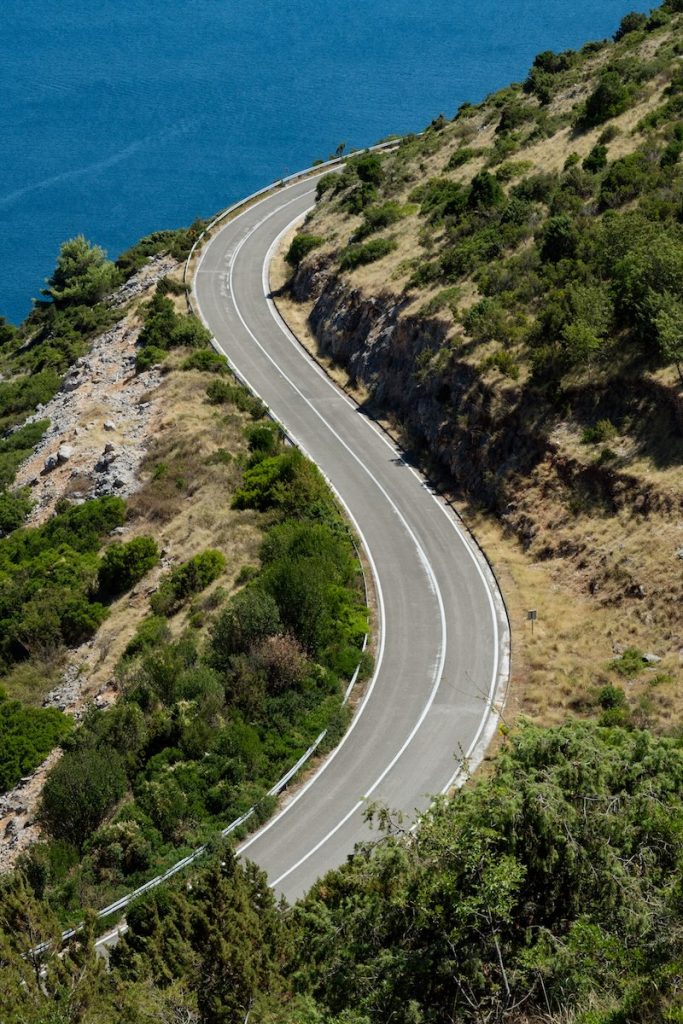
The last of the tourist mistakes in Croatia is the one that shapes all the others: the wrong month. November to March, the islands quieten right down — many island towns close up, some catamaran routes stop altogether, and the summer ferry timetable shrinks to a skeleton. A winter trip to the coast is atmospheric and cheap, but it is not an island-hopping trip. And August, as above, is the other extreme: everything is open, everything is full, and everything costs the most.
💡The honest fix: match the month to the trip you actually want. May, June and September are the sweet spot for most people — warm sea, full services, space to breathe. September in particular is the month the locals would pick: the sea is at its warmest, the crowds have gone, and the light is at its best. If you are travelling in the colder months, base yourself in a city — Split, Zagreb or Dubrovnik — and treat it as a city break with day trips, not a beach holiday. Our Croatia in November guide is the honest version of what the off-season actually looks like.
Wann ist die beste Zeit für einen Besuch?
Sechs kurze Fragen. Keine falschen Antworten – nur der Monat, der am besten zu Ihren tatsächlichen Reisegewohnheiten passt.
Gemessen an den Jahreszeiten in Kroatien: Die Badesaison erreicht ihren Höhepunkt von Juni bis September, die Städte erstrahlen im Frühling und Herbst, die Erntezeit und die Trüffelsaison sind von September bis Oktober, und die niedrigsten Preise herrschen von November bis März.
The short version
None of these tourist mistakes in Croatia will ruin a trip. They are the difference between a good trip and a great one — between queuing at a gate and walking straight in, between the square’s most expensive table and the konoba two streets back, between August’s hottest hour and September’s warmest sea. Croatia rewards the traveller who plans one step ahead and then relaxes. Book the tickets, carry the cash, pack the water shoes, and let the islands do the rest.
Frequently asked questions
What is the biggest mistake tourists make in Croatia?
Trying to see everything from two bases in August. The country is built for slow travel — one island, one town, one long lunch — and the visitors who enjoy it most are the ones who leave space in the plan.
Is August a bad time to visit Croatia?
Not bad — just the hardest month to do well. The sea is at its warmest and everything is open, but the heat, the crowds and the prices are all at their peak. June and September give you almost the same weather with far more room.
Do I need cash in Croatia?
Yes, some. Cards work almost everywhere in the cities, but small konobas, markets, island buses and parking machines are often cash-only. Around €100 in small notes covers it.
Do I need to book Plitvice tickets in advance?
In summer, yes. Plitvice sells timed-entry tickets that regularly sell out on summer weekends — book online through the official park website and pick an early time slot.