Best Things to Do in Istria
Istria is the part of Croatia that food people plan whole trips around — and honestly, it’s earned that. A truffle-forest interior, a Roman arena on the coast, hill towns that look photoshopped, and a restaurant scene that keeps out-cooking itself. Come for a few days and you’ll end up reorganizing the itinerary around meals. This is the short list of the best things to do in Istria — the things actually worth your time.
Plan Your Istria Days
Answer two questions — get a day-by-day plan built from our Istria guide.

Photo / Unsplash
1. Go truffle hunting with Miro Tartufi
The Motovun forest is truffle country, and the way to see it is on foot with a hunter and a couple of very serious dogs. Miro Tartufi is a family operation — run by the Kotiga family (Miro, his wife Mirjana, and their daughter Diane) with their dogs — the kind where the people hosting you are the people who found the truffles — and the whole thing runs on genuine enthusiasm rather than a script.
The hunt itself is through the forest below Motovun, and then it turns into a tasting back at the family place: truffle spreads, cheeses, salami, scrambled eggs made in front of you. It’s generous — one of the best things to do in Istria, and one of those mornings you keep talking about afterward. Book the Miro Tartufi truffle hunt
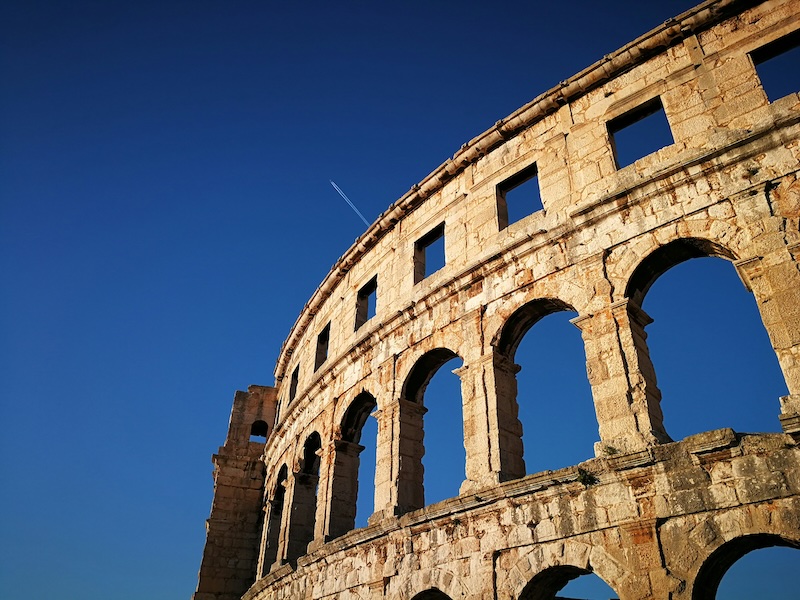
Photo / Unsplash
2. Walk the Pula Arena
The Pula Arena is one of the best-preserved Roman amphitheaters anywhere, and it’s hard to be blasé about a 2,000-year-old building that still hosts concerts and festivals. Come in the morning when the stone is cool and the tour groups are thin, and give yourself time to walk the full perimeter.
If something is on during your visit — a film festival screening, an opera, a concert — go. Hearing music inside that stone is a different thing entirely.
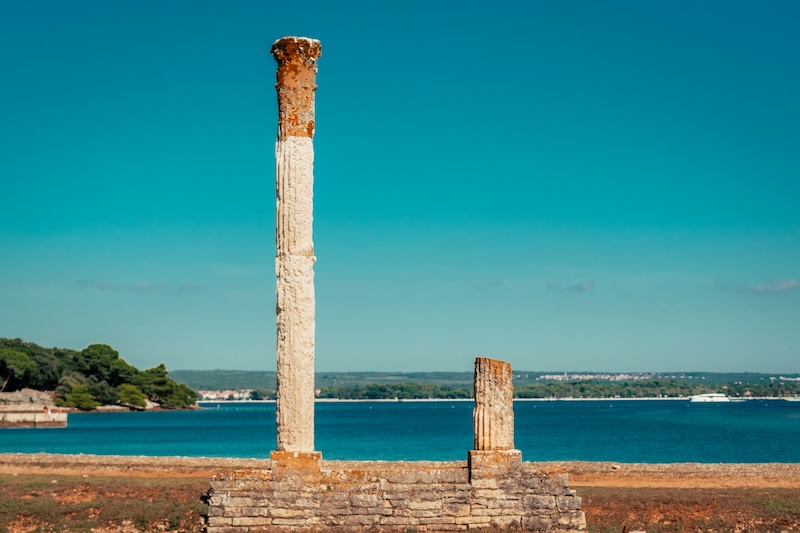
Photo / Unsplash
3. Take a boat day to Brijuni National Park
Brijuni is a cluster of fourteen islands off Pula, and the national park covers the two big ones. Most visitors go by boat from Pula harbor: half-day and full-day trips circle the islands, with swim stops, lunch onboard, and a decent chance of dolphins on the way. Book the Brijuni boat trip from Pula
If you get time ashore on Veliki Brijun, the island is a strange and lovely mix — a safari park left over from the Tito era, Roman villa ruins, olive groves, peacocks walking around like they own the place. Visitors can explore Veliki Brijun independently using the Brijuni Pocket Guide app (self-guided tour with GPS, available in English) — the ticket includes the Fažana–Veliki Brijun return boat, plus access to the safari park, museums, and exhibitions.
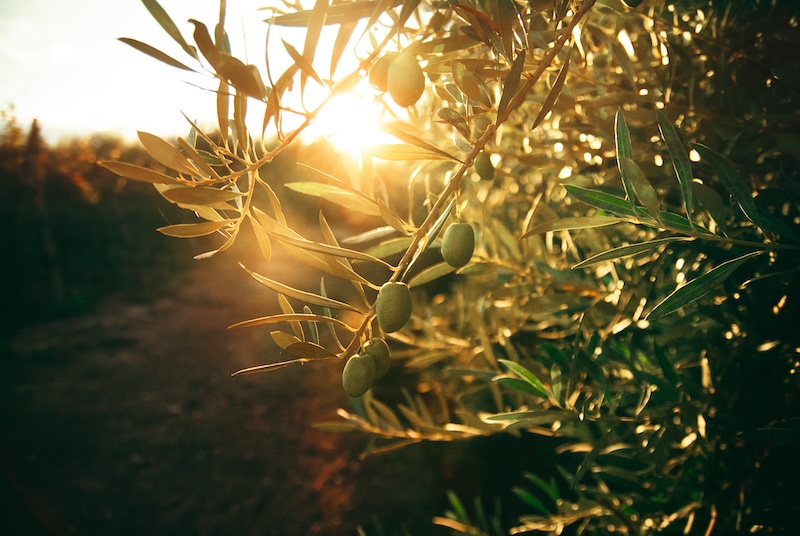
Photo / Unsplash
4. Taste olive oil at Chiavalon
Istria’s extra virgin olive oils are genuinely world-class — they’re picked up awards constantly — and Chiavalon, the family mill in Vodnjan, is one of the names that keeps appearing. Their tasting walks you through the grove and the mill and then teaches you to taste oil properly: the fruitiness, the bitterness, the peppery catch at the back of the throat.
You’ll leave understanding why good oil costs what it does, and probably with a bottle. Book the tasting ahead; it’s a family place and groups are small. The shop offers free tastings; guided tours of the grove and mill (with in-depth tasting) require advance booking via their website — same-day booking isn’t available.
5. Dinner at Monte, Rovinj
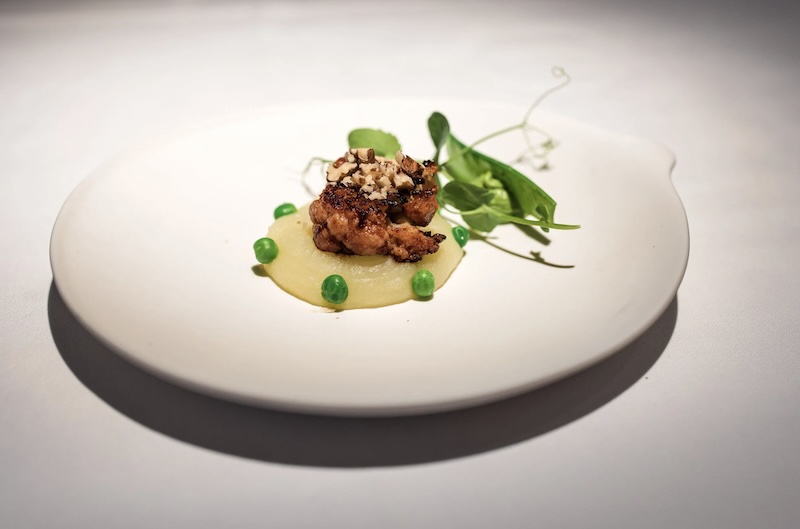
Monte put Istrian fine dining on the map and it still sets the standard: a Michelin-starred kitchen in the Rovinj old town working with Adriatic fish and whatever the interior just pulled out of the ground. The room is calm, the service is sure of itself, and the cooking is the reason Rovinj gets mentioned in serious food conversations.
This is the one table in Istria worth booking ahead — weeks out in summer, though same-day can work off-season. Monte holds one Michelin star (first awarded 2017 — Croatia’s first-ever Michelin star — reconfirmed in the 2026 guide).
6. Agli Amici at the Grand Park Hotel, Rovinj
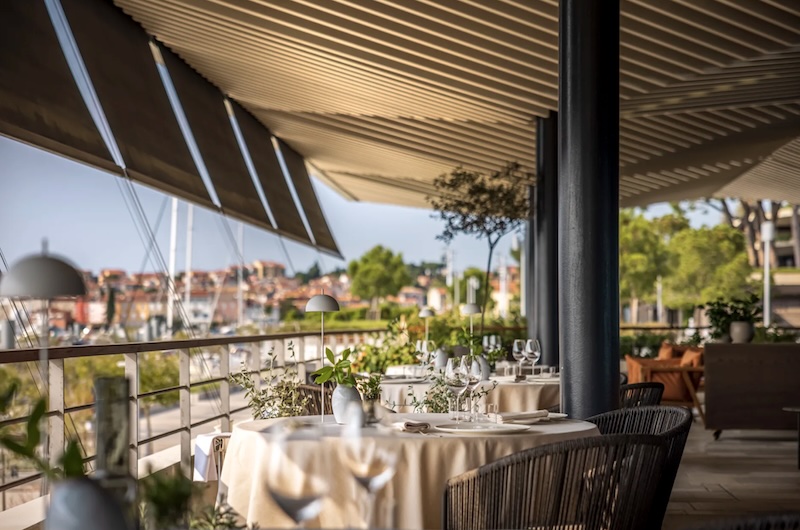
One of the strongest additions to Rovinj’s table scene in recent years — the Istrian branch of the Friuli original, sitting in the Grand Park Hotel with one of the best views of the old town you can get while holding a fork. The cooking is polished Italian with Istrian ingredients in the mix.
It’s also the easy sell for a mixed group: everyone understands what’s on the plate, and everyone leaves happy. Book ahead for terrace seats. Agli Amici Rovinj holds TWO Michelin stars (awarded June 2024, reconfirmed in the 2026 guide) — currently Croatia’s only two-star restaurant. It sits in the Grand Park Hotel, a collaboration with the Scarello family of Udine, Italy.
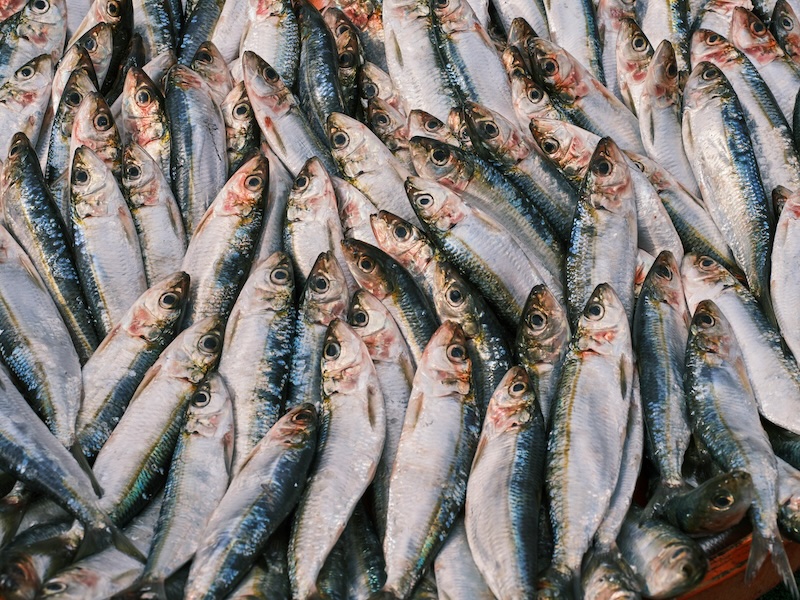
Photo / Unsplash
7. Konoba Batelina, Banjole
Chef David Skoko’s place in the fishing village of Banjole, just south of Pula, is the opposite of fine dining and exactly as essential. He’s a fisherman first and a cook second, and the kitchen works with what the boats brought in — anchovies, sardines, the whole fish, the bits of fish most kitchens throw away, turned into dishes you’d never expect.
It’s tiny, it’s beloved, and it fills up. Don’t study the menu; let the kitchen feed you, and book well in advance. Open Monday–Saturday 17:00–23:00, closed Sundays. Cash only. Reservations are essential — book more than a week ahead in high season. Like many Istrian restaurants, they likely take a break in January — worth checking before a winter visit.
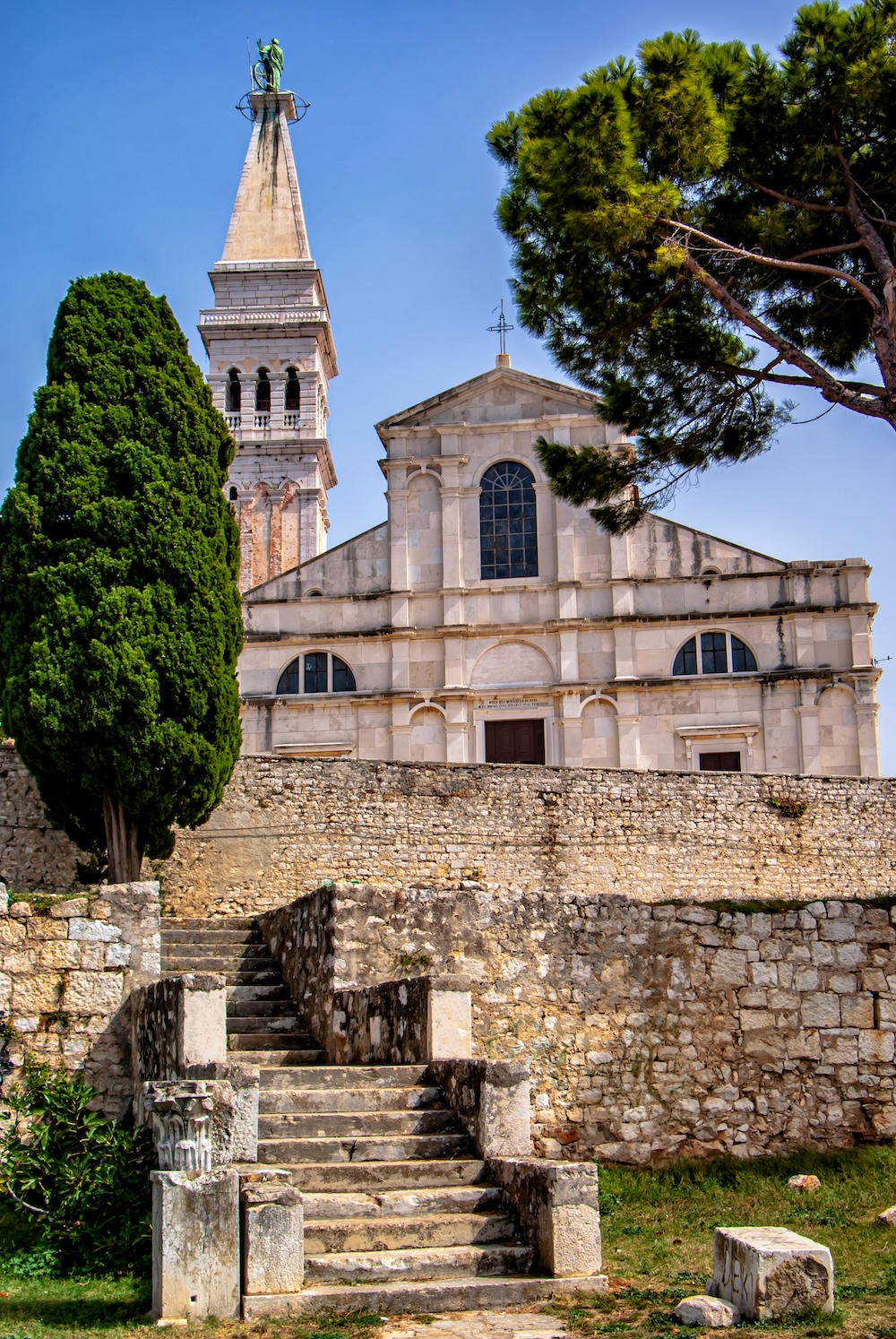
Photo / Unsplash
8. Get lost in Rovinj old town
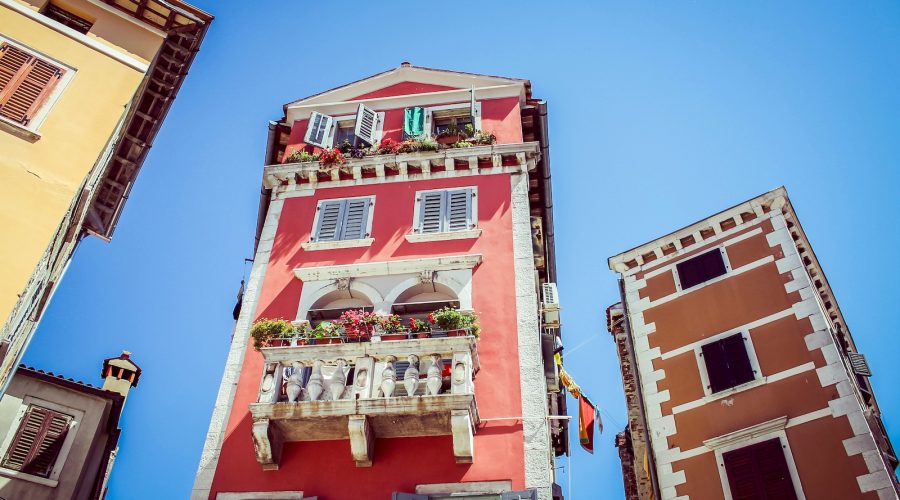
Rovinj is the prettiest town on the peninsula and it’s not close. The old town climbs a hill to St. Euphemia’s church, and the streets below are a maze of cobbled lanes, shuttered stone houses, artists’ studios and wine bars. Enter through Balbi’s Arch and just start walking uphill.
Go early morning or late evening when the day-trippers are gone, and walk the harbor promenade after dinner. The waterfront at sunset is the town’s best free show.
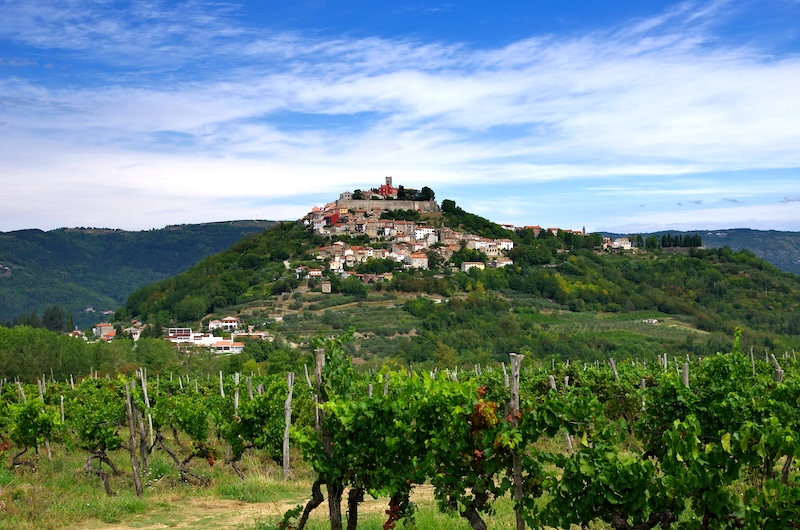
Photo / Unsplash
9. Motovun and Grožnjan, the hill towns
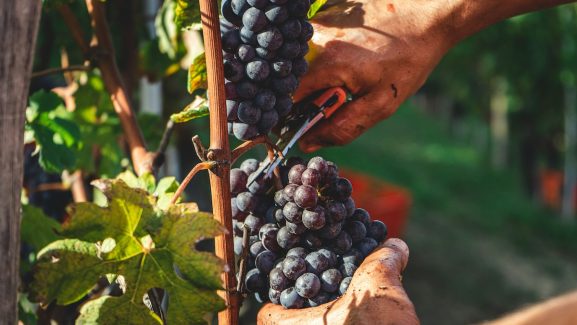
The interior hill towns are Istria’s other half. Motovun sits on a hilltop over the Mirna valley — come for the walls, the view and the truffle shops, and stay for the fact that it feels like the top of the world. Pair it with a truffle experience and you have a perfect day.
Grožnjan, twenty minutes away, is the artists’ town: galleries and music in a tiny medieval center that goes quiet and lovely in the evening. Do both in one drive, Motovun first, Grožnjan for the late afternoon. Park in the main parking areas at the edge of town and walk in — the old-town streets are narrow and not car-friendly.
Good to know
- Getting around You really want a car in Istria. The hill towns, the olive mills and the best konobas are spread out, and bus schedules won’t cooperate with dinner reservations.
- When to go May, June and September are the sweet spot — warm enough to swim, quiet enough to enjoy it. July and August are busy and hot, especially Rovinj. Truffle season runs through autumn, which is a great excuse for an October trip.
- Booking ahead Reserve the top tables (Monte, Batelina, Agli Amici) and the truffle hunt well before your trip. The best experiences here are small and fill up.
FAQs
How many days do I need for Istria? Three to four days covers the best things to do in Istria without rushing: one day for Rovinj, one for Pula and Brijuni, one for the interior (Motovun, Grožnjan, truffle hunting), plus breathing room for long lunches. Add a day if olive oil and wine tastings are your thing.
Is Istria good without a car? You can manage Rovinj and Pula on foot and by bus, but you’ll miss the interior — and the interior is half the point. Rent a car if you possibly can.
When is truffle season? White truffle season runs roughly from September through December, with black truffles available in other months. Hunts run year-round — you’ll always find something — but autumn is the big season. The white truffle season typically opens in early September (the official 2026 opening was September 5th) and runs through December, with peak season October to mid-November.
Is Istria expensive? It’s the priciest part of Croatia outside Dubrovnik, but the range is wide. A konoba lunch can be very reasonable; the starred restaurants are a proper splurge. Budget travelers do fine by leaning on konobas and markets.
Istria rewards the traveler who slows down and makes room for the best things to do in Istria — who takes the hill town detour, who says yes to the second tasting, who books the table everyone mentioned. Do that, and this peninsula will quietly become the part of Croatia you keep comparing everything else to.
| Disclosure Some links in this guide are affiliate links. If you book through them, CroatiaMuse may earn a commission at no extra cost to you. Recommendations are based on published terms, independent ratings and value — not commission rate. |