Croatia in November: 2026
The month Croatia pours the new wine
Croatia in November stops being a destination and goes back to being a home. The last of the summer’s visitors are long gone, the old towns belong to the people who live in them, and the country’s attention turns to what the year produced: the new wine is blessed, the last truffles are hunted, the olives are pressed, and in the final days of the month, Zagreb starts hanging its Christmas lights. Days are cool and made for walking, evenings ask for a proper coat, and the prices drop to the lowest of the year.
This is not a beach month, and it is honest to say so. It is a walking, eating, museum-and-market month — and for travellers who like their Croatia quiet, local and a little moody, it is one of the most rewarding months there is.

Is November a good time to visit Croatia?
Yes — with one honest condition: come for the cities, the food, the parks and the culture, not for the sea or the sun. November is low season at its quietest. The weather is cool and changeable, the crowds are gone, the prices are the year’s lowest, and the country is in cellar-and-kitchen mood. If your idea of a good trip is empty old towns, long lunches, young wine and a film festival, November is a fine month. If your trip depends on warm swimming and a full outdoor scene, pick September or October instead.
What’s the weather like in November?
Cool, changeable, and wetter than October — with the familiar coast-versus-inland split, wider than ever.
- Dalmatian coast (Split, Dubrovnik): daytime highs around 16–18°C, nights around 10–11°C. Early November can still feel mild; late November feels properly like winter’s approach.
- Zagreb and inland: daytime highs around 11°C, nights around 4°C. Frost is possible by late month, fog is common, and a warm coat is not optional by evening.
- Plitvice and the mountains: daytime highs around 11°C, nights around 3°C. Cold mornings, and snow is possible at higher altitudes.
- Rain: November is one of the wettest months of the year. Expect roughly 10–13 rainy days in the month, with Dubrovnik the wettest of the main destinations. Showers are usually short-lived rather than day-long washouts, but a rain shell is essential, not optional.
- Daylight: about 10 hours at the start of the month, shrinking to about 9 by the end. Sunset falls around 16:30–16:50 early in the month and around 16:20 by late month — plan sightseeing for the morning and early afternoon.
- Wind: the bura, the strong cold north-easterly, can sweep the coast in November, bringing sharper cold and rough seas. It usually passes in a day or two.
The practical rule: dress for winter-lite on the coast and proper winter inland, and check the forecast the night before, not a week before — November weather moves.

Can you still swim in November?
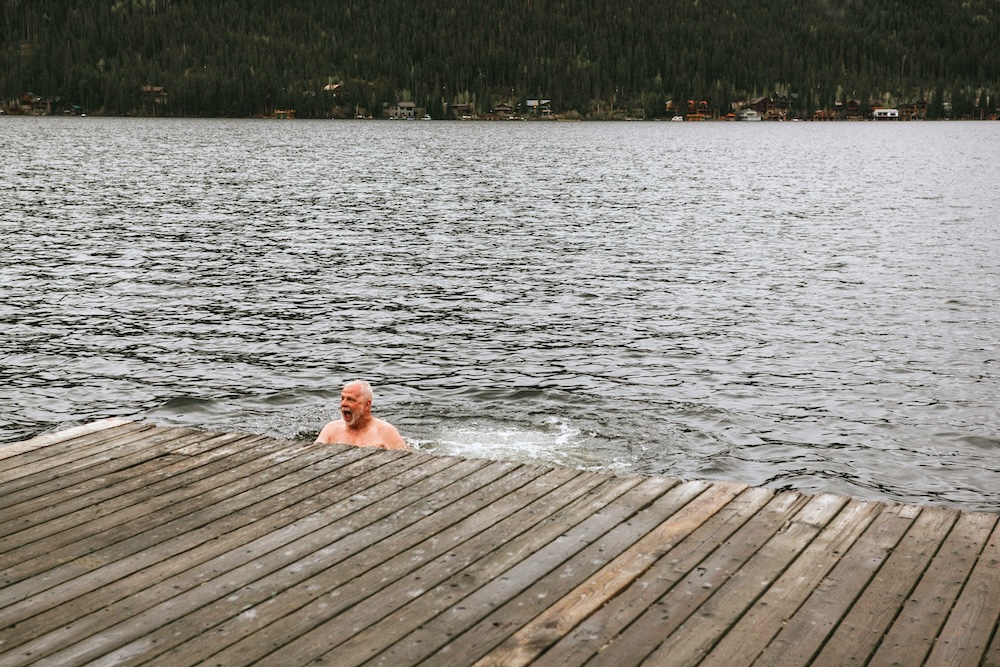
Honestly, no — not for most people. The Adriatic sits around 18°C, which is wetsuit territory or a very short, very brave dip. A few hardy locals still swim, and a heated hotel pool is the realistic way to get in the water. Bring a swimsuit only if you have a pool at your hotel; otherwise, leave it at home and spend the swimming time on long coastal walks instead.
Is it crowded in November?
No. November is the quietest month of the year for visitors. The old towns of Dubrovnik and Split are empty enough to hear your own footsteps, the national parks are near-deserted, and you will rarely queue for anything. The exceptions are event days: a film festival in Zagreb, a truffle finale in Buzet, or the first Advent weekend will fill those places — that is a good kind of busy, and it is easy to plan around.
Is everything still open in November?
Cities yes, coast and islands with caveats — and the honest list matters more in November than in any other month.
- Hotels and apartments: city hotels stay open all year. On the coast and islands, many smaller hotels and guesthouses are closed for the season by November, so book ahead rather than assuming — and check that the place you book is actually staffed, not just listed.
- Restaurants: city restaurants are open and, frankly, at their most local — no queues, full menus, winter dishes. Seasonal beach bars and small island restaurants are closed; on the islands, the choice narrows to the handful of year-round konobas.
- Attractions: major landmarks, museums, city walls and historic sites are open, sometimes with reduced hours. Check opening times the day before, especially for smaller sites.
- Ferries: the off-season timetable applies (in force since late September). Resident Jadrolinija lines to the inhabited islands run year-round, but with fewer sailings — the Vis line, for example, thins to about one sailing a day in the cold months — and autumn wind cancels small-island sailings more often than summer ever did. One exception: the Split–Supetar (Brač) route no longer has an off-season gap in the 2026 timetables, and its catamaran runs 3–4 times a day even off-season. Island-hopping still works; it just needs a timetable check and a buffer day.
- Tours and excursions: day tours from the main cities are thin in November, and many private operators stop until spring. Book the must-dos in advance, and expect some to be unavailable.
- Public holiday: November 1 is All Saints’ Day, a public holiday. Croatians visit cemeteries with flowers and candles, and some shops and offices close — a quiet, reflective day across the country.
What should I pack for November?
Warm layers, a proper coat, and rain gear you trust.
- A warm coat for evenings everywhere, and a proper winter layer for Zagreb and the mountains
- Layers for walking: long sleeves, a fleece or light down jacket, a scarf and gloves
- A packable rain jacket or compact umbrella — November rain is frequent and real
- Waterproof walking shoes (old-town stone gets slippery when wet)
- Something warm for Plitvice or Krka mornings — inland parks start cold
- A swimsuit only if your hotel has a heated pool

Is Croatia cheaper in November?
Yes — November is the cheapest month of the year for stays. Hotel averages in Zagreb are the lowest of any month, and coastal hotels run autumn offers into November. Flights are cheaper too, with November round-trip averages around €163. Restaurants are back to local pricing, and the parks are at their lowest ticket prices (see below).
The one exception to the cheap month: the final weekend. Advent in Zagreb opens on November 28, and accommodation prices rise and rooms go early for it — book by autumn if you want to be in Zagreb for the opening weekend.
Is Plitvice worth it in November?
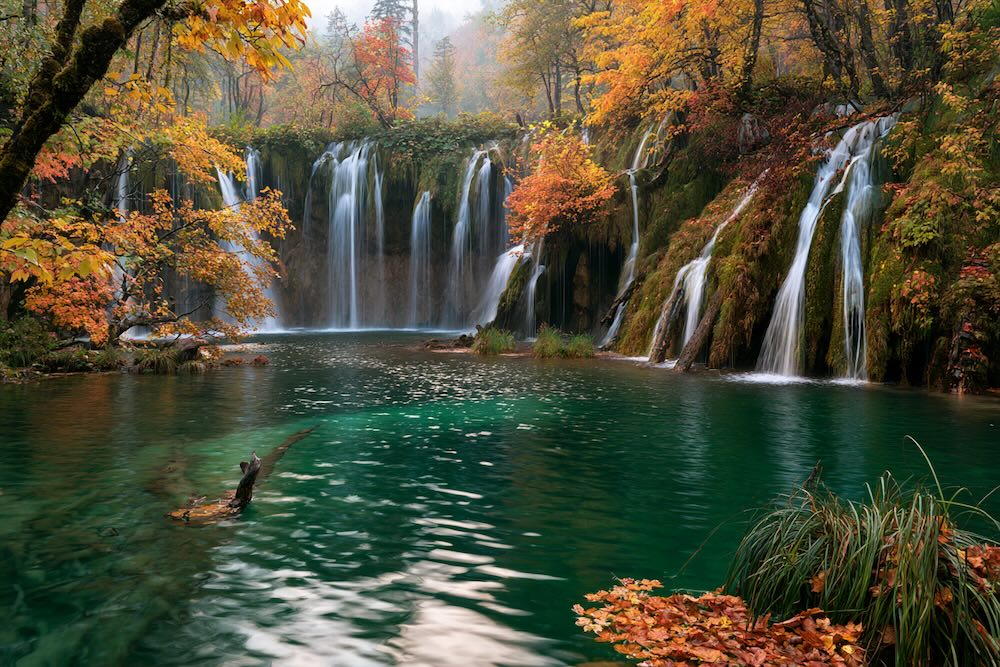
Yes, if you go for atmosphere rather than a full-route day. The summer crowds are gone entirely, the waterfalls run well after the autumn rains, and the adult ticket is at its lowest: €10 (against €40 in high season), with students at €6 and children 7–18 at €4; under-7s enter free. The park is open 365 days a year, with entrances currently published at 7:00–17:00 and ticket sales until 14:00 — but winter operations change, most hospitality facilities are closed and accommodation inside the park is limited to Hotel Jezero, so check the park’s own working-hours page the day before you go.
👉Our Plitvice Lakes guide has the winter routes, entrances and ticket details.
Come early, wear waterproof shoes for the boardwalks, and bring a warm layer: inland mornings are cold, and the boardwalks are at their quietest.
Dubrovnik in November
Dubrovnik in November is the city at its emptiest and, for walkers, its best. The walls are walkable without a single queue, the cruise peaks are a memory, and the sea is a backdrop rather than a swimming pool. Evenings are cool enough that dinner on the Stradun needs a coat, and some seasonal venues are closed — but the restaurants that matter are open, and the city eats well in November.
The honest caveat is the rain: Dubrovnik is the wettest of the main destinations in November, so pack the rain shell and plan the walls for a clear morning. A rainy Dubrovnik afternoon is best spent in a konoba, which is hardly a hardship.
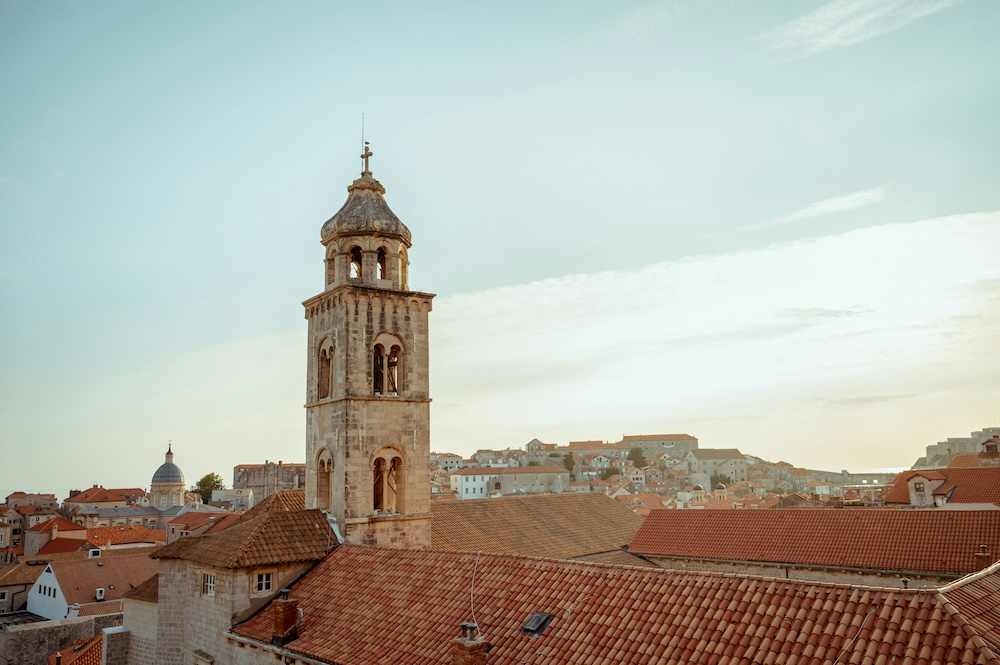
Split in November
Split in November keeps its working-city energy while the tourist pressure drops to nothing. Diocletian’s Palace is walkable, the Riva is for locals again, and the ferries to Brač, Hvar, Vis and Korčula still run on the off-season timetable — check times, and give yourself a buffer day for wind. Marjan hill walks are at their best in the cool air, and Split is the practical base for a Krka day trip in winter hours (see below).
Split is also the city where November’s food calendar is most visible: the markets are full of late-autumn produce, the konobas are cooking winter dishes, and the pace is local from the first coffee of the day.
What to do in Croatia in November
November rewards a slower, indoor-outdoor itinerary. The best of it:
- Walk the old towns properly. Dubrovnik’s walls, Split’s palace, Rovinj’s peninsula, Šibenik’s cathedral — all without queues, and all better in cool air.
- Do the museums you skipped in summer. Zagreb’s museums, Dubrovnik’s palaces, Split’s galleries — November is when you actually have them to yourself.
- Eat the season. Young wine, truffles, fresh olive oil, roast goose, winter stews — November is the tastiest month in the kitchen.
- Take the parks at their cheapest. Plitvice at €10, Krka at €7 — the lowest tickets of the year, and the paths to yourself.
- Spend a week in Zagreb. The capital is November’s main event: film festival, Martinje, and the first Advent lights, all in one city.
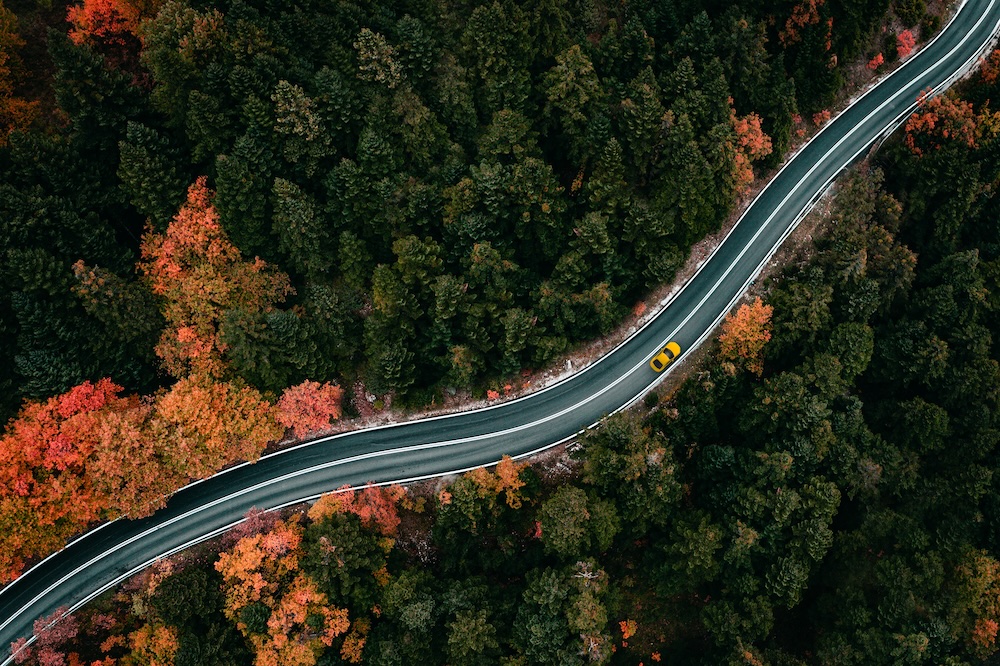
November only: Martinje — the day the must becomes wine
November 11 is Martinje, St Martin’s Day, and in Croatia it is Young Wine Day: the day the fermenting must is blessed and officially becomes drinkable wine. In the wine country of continental Croatia — Zagorje, Međimurje, the Plešivica hills around Jastrebarsko — the new wine is “baptised” by a mock bishop, with jokes, songs and a feast of roast goose with mlinci on the table.
In 2026, November 11 falls on a Wednesday, an ordinary working day, so expect most of the public parties on the weekends either side, November 6–8 and 13–15. From Zagreb the best of it is a short train or bus ride away — and the one thing to sort before the first glass is how you are getting home.

November only: Istria’s truffle finale and the olive harvest
November is the last act of Istria’s autumn feast, and it is worth timing a trip around.

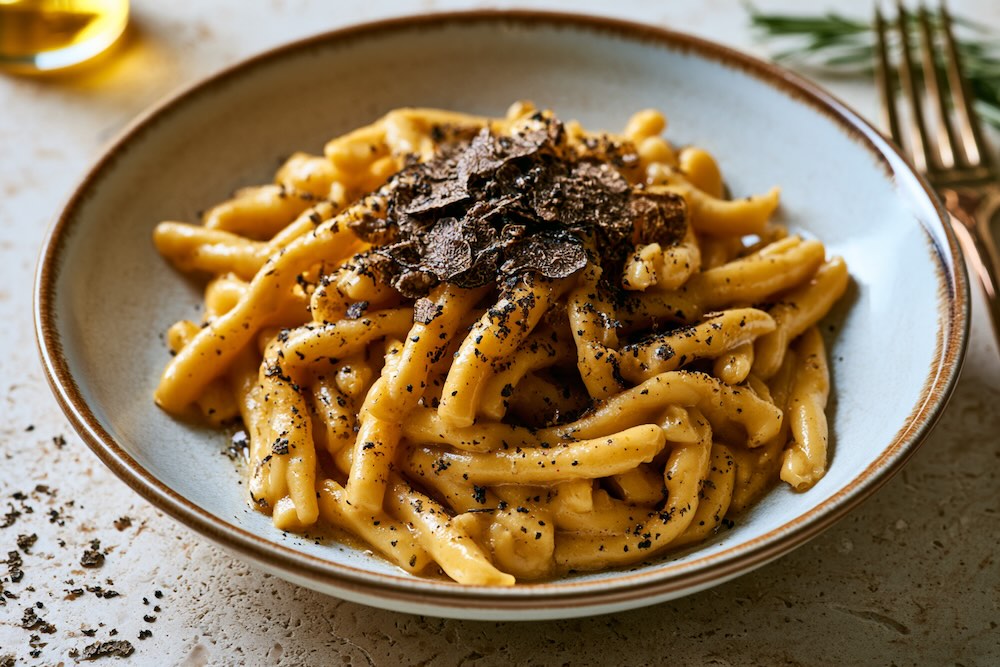
- Istrian Truffle Festival, Buzet, November 7–8, 2026: the grand finale of the truffle season, with a truffle exhibition, tastings, the chance to buy fresh truffles and truffle products, the Buzet na pjatu culinary show, live music and a “Truffle Hunt” race combining mountain biking and trekking. White truffles peak through October and November, with the apex window falling around November 10–25.
- Zigante Truffle Days, Livade: the October weekends close on November 1, the last day of the season’s most famous festival.
- Olive harvest: picking runs from October into late November, and November is when the new oil is pressed and tasted. Family groves offer tastings of oil pressed within hours of the harvest — the peppery, grassy young oil that never makes it to a supermarket shelf.
Go hungry, and book truffle hunts with dogs in advance — the good producers fill up on festival weekends.
November only: Krka in winter hours
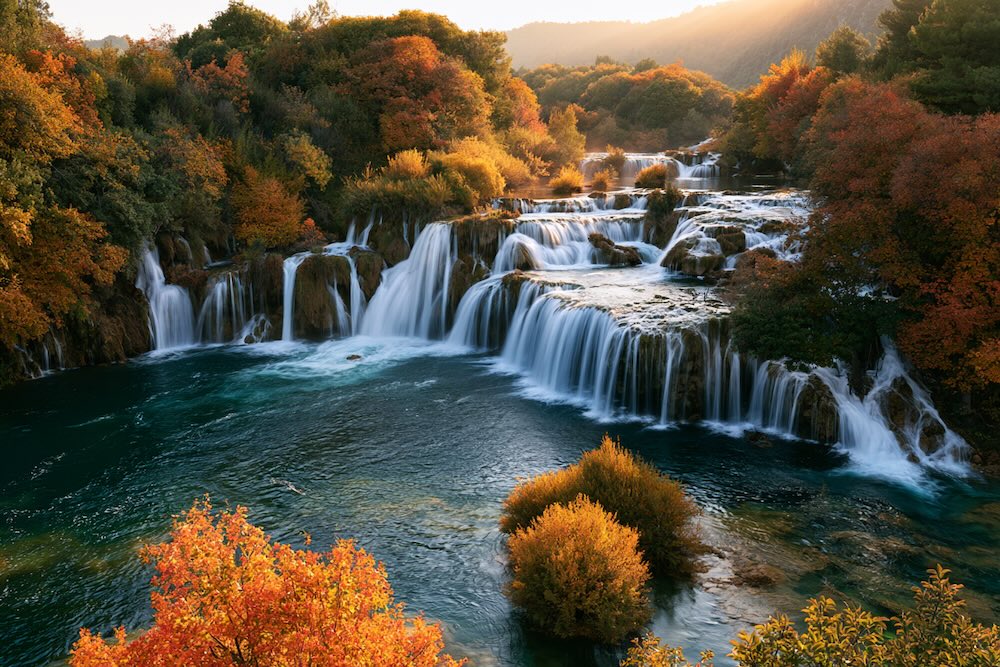
Krka is the quietest national-park bargain in November, and the winter rules make it a different visit from summer — in a good way. The adult ticket in November is €7 (against €40 in high season), with youth and students at €4 and under-7s free. Skradinski buk and Roški slap run 9:00–16:00, while Manojlovac waterfall and Burnum are closed entirely from November through March.
The practical difference: the Skradin boats and the Lozovac shuttle only operate from April 1 to October 31, so a November visit means arriving by land at Lozovac. Note the swimming ban: swimming has been prohibited inside Krka National Park since January 1, 2021 — come for the waterfalls, the boardwalks and Šibenik afterwards, not for a dip.
November only: Zagreb — film festival, then the first Advent lights
Zagreb owns November’s cultural calendar, and the month’s two big events sit back to back.
- Zagreb Film Festival, November 9–15, 2026: the 24th edition of the capital’s international festival for debut films, with competition programmes, retrospectives and industry events across the city’s cinemas. It is one of the most expected cultural events in Croatia, and a good reason to be in Zagreb mid-month.
- Advent in Zagreb, from November 28, 2026 to January 7, 2027: the capital’s Christmas markets open on the last weekend of the month, spread across around 25 locations — squares, parks, tunnels and pedestrian streets — with a warm-up period from November 25–27 when some locations start operating early. November catches only the opening days, but that is the point: the lights go on, the stalls open, and the city changes mood overnight. Accommodation prices rise for Advent weekend, so book early.
Croatia in November at a glance
| Coast (Split / Dubrovnik) | Inland (Zagreb / Plitvice) | |
|---|---|---|
| Daytime | ~ 16–18°C | ~ 11°C |
| Night | ~ 10–11°C | ~ 4°C (Plitvice ~3°C) |
| Sea | ~ 18°C, too cold for most swimmers | — |
| Rain | ~ 10–13 days in the month, Dubrovnik wettest | similar, cooler |
| Daylight | ~ 10 hours early month, ~ 9 by month’s end | same pattern |
| Crowds | Lowest of the year | Lowest of the year, Zagreb lively for events |
| Prices | Cheapest month of the year (Advent weekend excepted) | Same pattern |
| Best for | Walking, eating, empty old towns | Parks, cities, film, wine, Advent opening |
When’s the best time for me to visit?
Six quick questions. No wrong answers — just the month that fits how you actually travel.
Based on Croatia’s seasons: swimming peaks June–September, cities shine in spring and autumn, harvest and truffles land in September–October, and the lowest prices run November–March.
FAQs
Is Croatia in November too cold?
No, but it is properly cool. The coast sits around 16–18°C by day; Zagreb is cooler at around 11°C. Evenings need a warm coat everywhere, and inland mornings can touch frost.
Can I island-hop in November?
Yes, on the year-round Jadrolinija lines — but check the off-season timetable, expect fewer sailings (the Vis line thins to about one a day), and keep a buffer day for wind cancellations. The Split–Supetar route is the exception, with no off-season gap in 2026.
What is the best week in November?
It depends what you want: the first weekend for the truffle finale in Buzet, November 9–15 for the Zagreb Film Festival, or the last weekend for Advent’s opening lights. Mid-month is the quietest and cheapest of all.
Is November good for hiking?
It is good for lowland and coastal walking — comfortable temperatures and empty trails. Mountain hiking needs care: higher altitudes can see snow, and the bura can make exposed ridges unpleasant.
Do I need to book restaurants in November?
In cities, usually not — walk-ins are easy again. For festival dinners, Martinje weekends and small konobas on event weekends, book ahead.
Is anything open on November 1?
November 1 is All Saints’ Day, a public holiday. Expect a quiet, reflective day, with some shops and offices closed and cemeteries busy with families bringing flowers and candles.