Croatia Camping — wake up to the sea
Pine shade, sea air and a pitch of your own
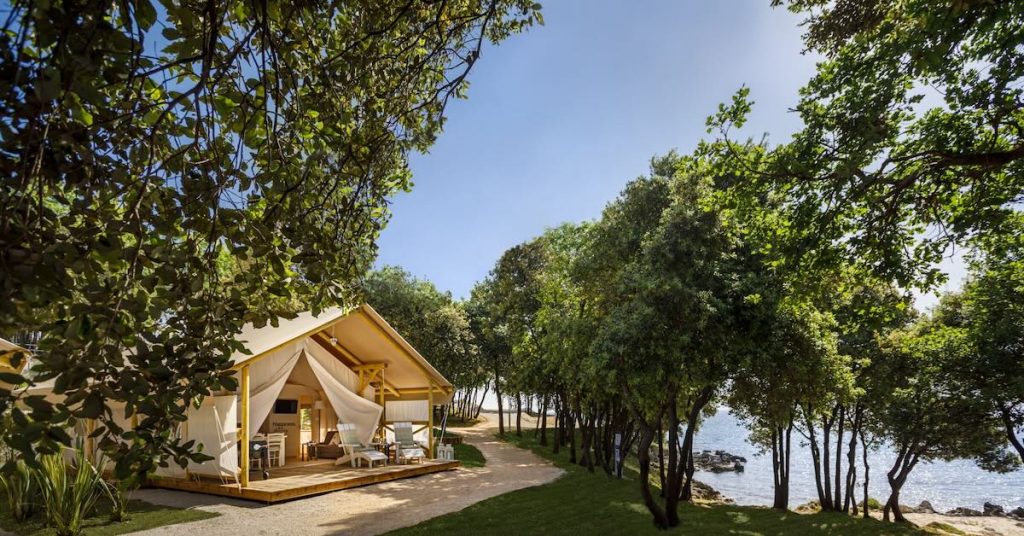
Camping in Croatia is not the rough-it compromise it can be elsewhere in Europe. Here it is the main event: pine forests that run right down to the water, pitches a few steps from a pebble beach, and campsites that have been winning European awards for years. The best of them feel less like campgrounds and more like small seaside villages — pools, restaurants, bike hire, kids’ clubs — with the Adriatic doing the rest for camping in Croatia.
But not all Croatian campsites are equal, and the difference between a great week and a crowded, noisy one usually comes down to which site you pick and when you go. This guide only lists campsites that have earned their place: award winners, PiNCAMP and ADAC top-ranked sites, and places with genuinely strong guest ratings. Nothing here is padded. If a campsite could not prove itself, it did not make the list for camping in Croatia.
Camping in Croatia: what “best rated” means here
A quick note on how we judged, because camping ratings are messier than hotel stars. A huge family campsite with 10,000 Google reviews will almost never score 4.8 — the sheer volume of guests pulls the average down. So we did not rank on Google alone. A campsite earns its place here through a combination of: official category (4 or 5 stars), European awards (Croatia’s Best Campsite, ACSI awards, ADAC recognition), PiNCAMP/ADAC classification, and guest ratings where they are strong and verified. The rating line under each campsite tells you exactly which source it comes from, so you can judge for yourself when making a decision to camp in Croatia.
The best campsites in Istria
Istria is where camping in Croatia is at its most polished. The peninsula holds more top-rated campsites than anywhere else in the country — most of them clustered around Poreč, Rovinj and Umag, all of them within easy reach of the sea. If you are camping in Croatia for the first time, start here.
Istra Premium Camping Resort, Funtana
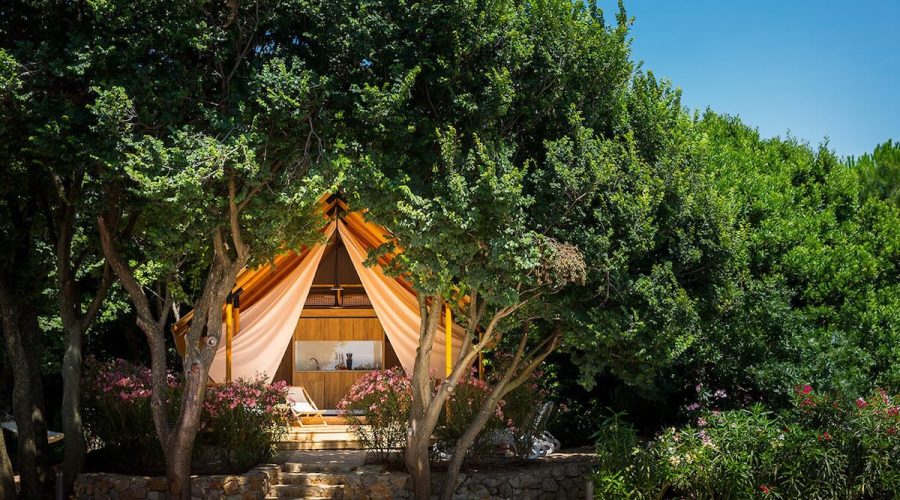
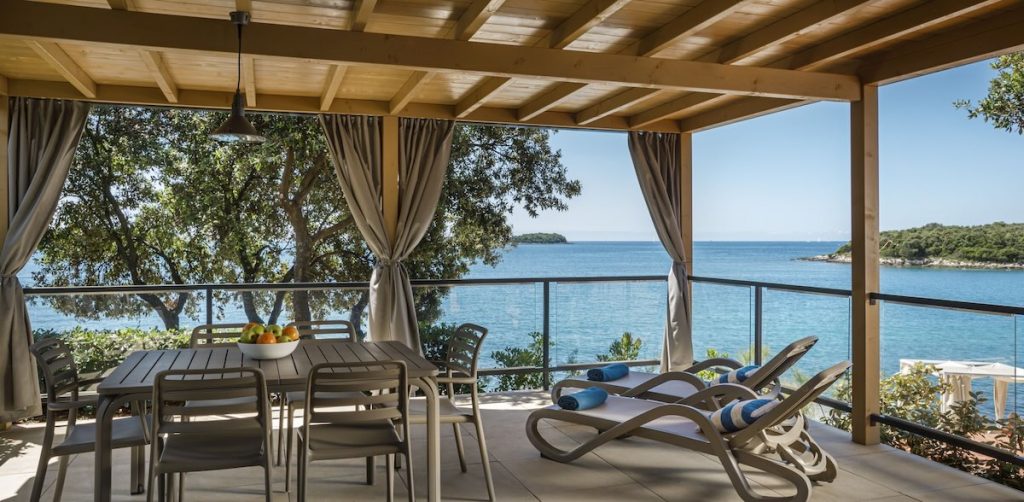
The one to beat. Voted the best campsite in Croatia at the Croatian Tourism Days, this five-star resort on a pine-covered peninsula near Funtana has more than 700 pitches, a glamping village, premium mobile homes — some with their own pools — and a pool complex with slides that keeps children busy all day. The beaches are rocky and pine-shaded, the sanitary blocks are the kind people write reviews about, and the whole place is immaculately kept. The honest catch is the price: guests consistently praise the resort and just as consistently note that it is expensive, even outside peak season. Book well ahead for July and August.
★ 4.5 · 315 Google reviews
Five-star resort. Open 4 April – 31 December. Glamping score 9/10 (315 reviews, glampings.com).
Camping Park Umag, Umag
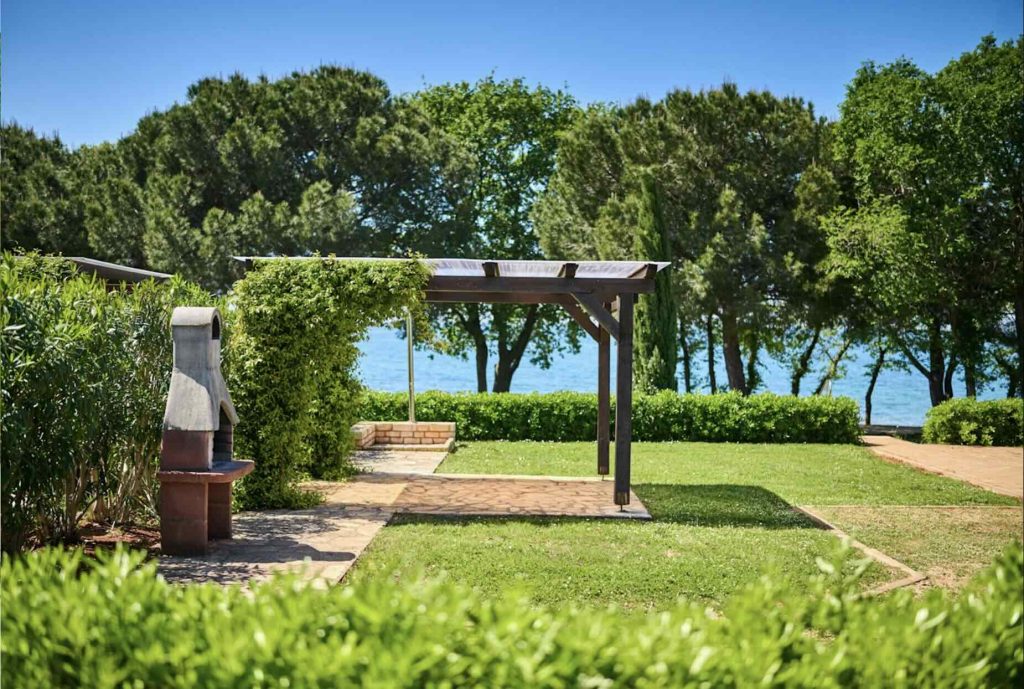
Croatia’s Best Campsite 2026 — and again for 2027 — plus the ACSI 2026 award for Best Campsite Location in Croatia, and PiNCAMP’s number two campsite in the whole country (number 13 in Europe). Park Umag is Istria’s largest campsite, with 1,806 pitches, 252 mobile homes and 40 glamping tents, and it earns its awards the old-fashioned way: a huge, well-run site with proper beaches (Canova Beach carries an international award), pools, sports, and entertainment that actually entertains. It is big and busy in high season, so if you want a quiet pitch, aim for the edges of the season or pay the one-off €120 reservation fee to pick your exact pitch number for camping in Croatia.
★ 4.0 · 881 Google reviews
Four-star resort. Open late April – early October. 1,806 pitches, mobile homes and glamping tents.
Valamar Camping Lanterna, Tar
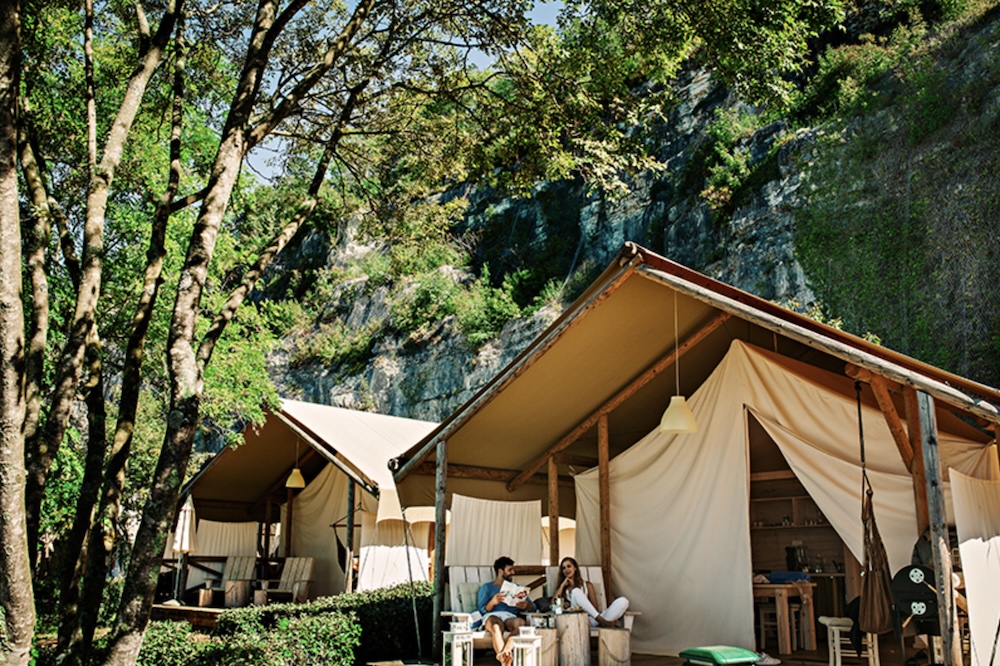
Lanterna is the family favourite of the Poreč coast, and the numbers show it: more than 10,000 Google reviews, an ADAC quality award, and one of the rare sandy beaches on this stretch of coast — Val Adria, gently sloping and ideal for small children. The site sits in pine and oak forest on a long pebble-and-sand shoreline, with pools including a seawater pool, restaurants, and an animation programme that runs all day. The trade-off is scale: it is a big, lively resort, and in July and August the pools and paths get crowded. Come in June or September and it is a different, calmer place for camping in Croatia.
★ 4.2 · 10,289 Google reviews
Four-star resort. Open 19 April – 28 September. Sandy beach, pools, glamping tents and camping chalets.
San Servolo Wellness Camping, Buje
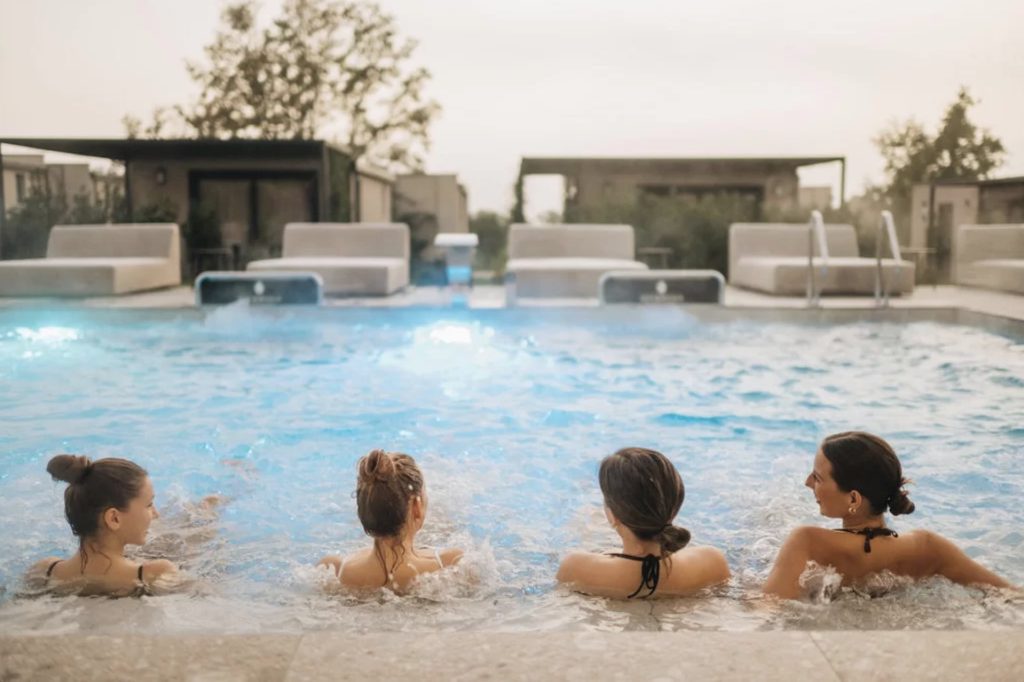
The odd one out in Istria, and the better for it. San Servolo sits inland near Buje, away from the coastal crowds, and trades beach access for something rarer: a genuine wellness campsite. Five-star rated, with just 28 campervan pitches and a small number of wellness mobile homes — some with private whirlpools — plus indoor and outdoor heated pools, Finnish and Turkish saunas, and a relaxation room. It is built for couples and peace-seekers rather than families, and it shows in the atmosphere. A good base for Istria’s hilltop towns and wine roads, and a ten-minute drive from the coast when you want the sea.
★ 8.9 · 15 PiNCAMP ratings (“Very good”)
Five-star wellness resort. Inland Istria near Buje. Heated pools, saunas, bike rental.
The best campsites in Kvarner
Kvarner is the quieter cousin of Istria — island camping, pine forests, and some of the most beautiful bays on the Adriatic. The campsites here are smaller and calmer, and several stay open through the winter, which makes the region the best bet for camping in Croatia outside the summer season.
Valamar Camping Krk (Ježevac), Krk Town
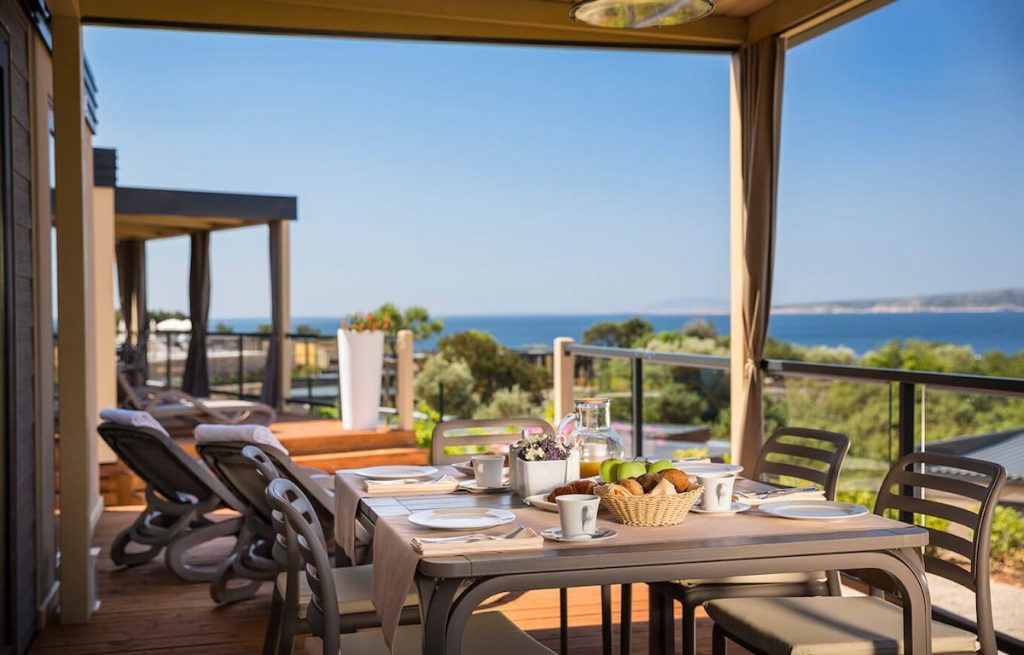
The five-star flagship of Krk island, and one of the three most in-demand campsites in the whole of Croatia on PiNCAMP. Ježevac sits right by Krk Town, under pine trees on a sheltered bay, with pitches, mobile homes and glamping, plus pools and a beach a short walk from the old town’s restaurants. It is the rare Croatian campsite with a genuinely long season — open from late March to the end of December — which makes it the natural choice for a spring or autumn island trip, or for anyone camping in Croatia with a campervan outside the summer rush.
★ 4.3 · 13 Google reviews
Five-star resort. Open 27 March – 31 December. PiNCAMP top 3 most popular campsite in Croatia; Best Camp 2026.
The best campsites in Dalmatia
Dalmatia has fewer campsites than Istria — around twenty along the whole coast — but the good ones are very good, and they sit in the places you actually want to be: on Pag, outside Zadar, and within reach of Split and Dubrovnik. Around Split in particular, campsites are few and far between, so the one listed here matters for camping in Croatia.
Camping Strasko, Novalja, Pag
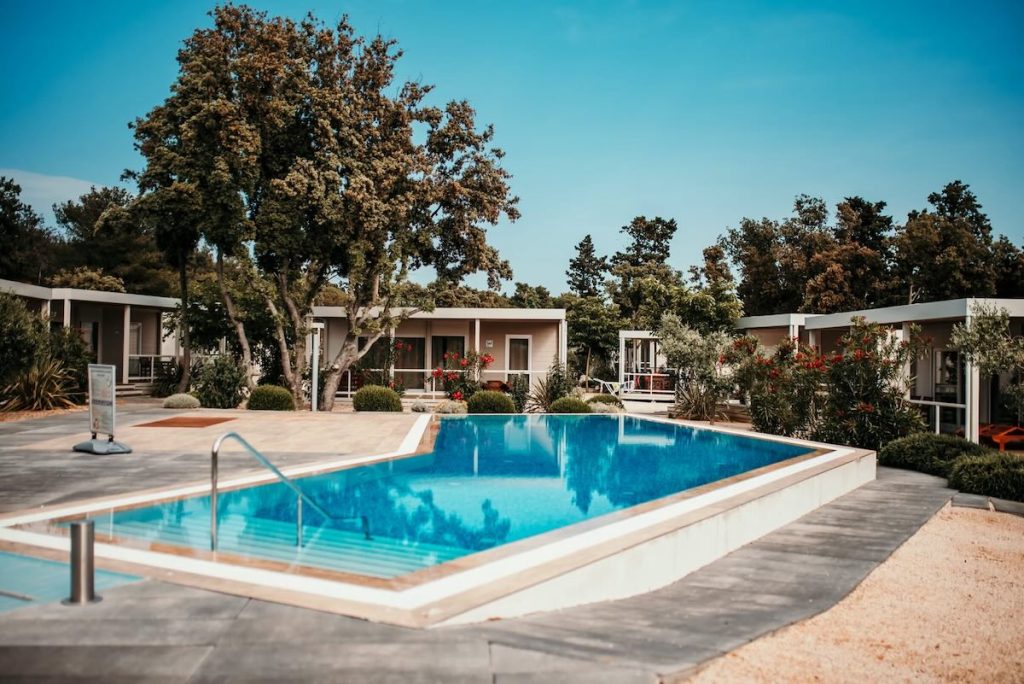
One of the largest campsites in Croatia, spread over 57 hectares on the island of Pag, with a two-kilometre beach that is the real reason to come. Strasko is a four-star site with pitches, glamping and mobile homes, and it suits families who want space: space on the beach, space on the pitch, and room for children to ride bikes without dodging cars. Novalja itself is the island’s lively town — famous for its summer party scene at Zrće beach — but Strasko sits far enough away that the campsite stays relaxed. A good base for exploring Pag’s strange, moon-like landscape and its famous cheese.
★ 4.7 · 441 Google reviews
Four-star resort. 57 hectares, 2 km beach. Pitches, glamping and mobile homes.
Falkensteiner Premium Camping Zadar, Zadar
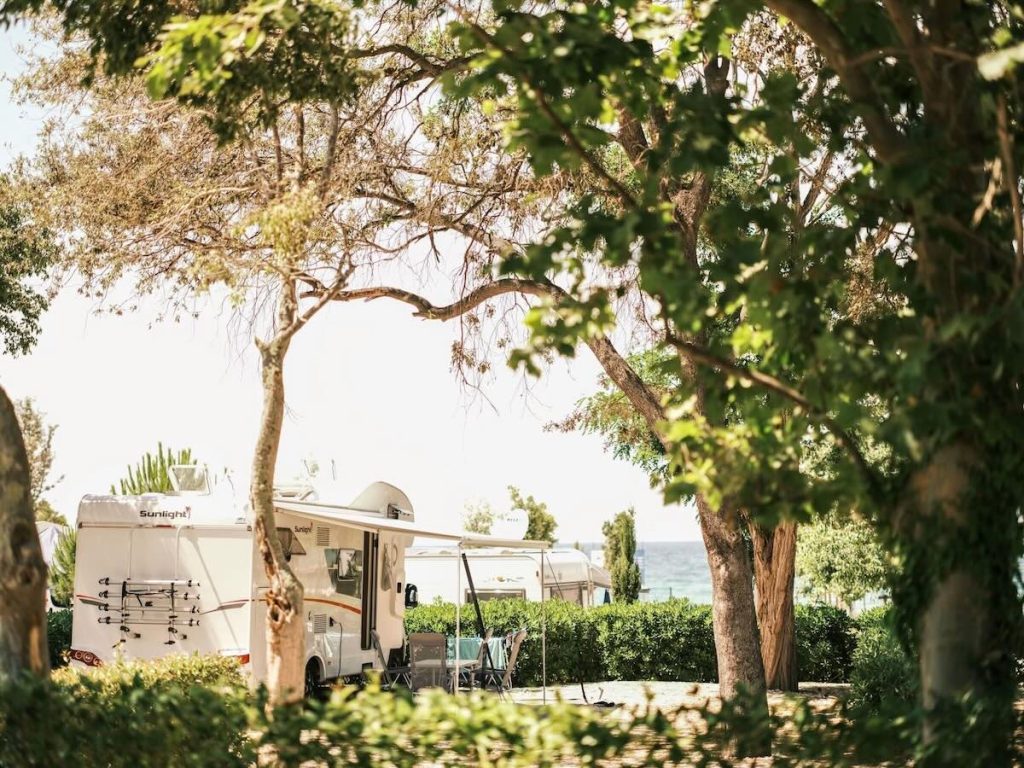
The most polished campsite in Dalmatia, and one of the few that stays open all year. Five-star rated, on 8.7 hectares right on the beach in the Borik area, about 2.5 km from Zadar’s old town — close enough to cycle in for the Sea Organ at sunset. The offer is premium throughout: modern mobile homes with terraces, a wellness and spa area, a pool, a restaurant, and sanitary facilities that guests rate among the best in the country. The trade-off is price — this is the expensive end of Croatian camping — but for a winter or shoulder-season stay, when the ACSI card discounts apply and the town is quiet, it is hard to beat for camping in Croatia.
★ 4.3 · 3,000 Google reviews
Five-star resort. Open year-round. 9.1/10 (1,866 reviews, booking platforms). Wellness and spa, beach, 2.5 km from Zadar old town.
Camping Stobreč Split, Stobreč
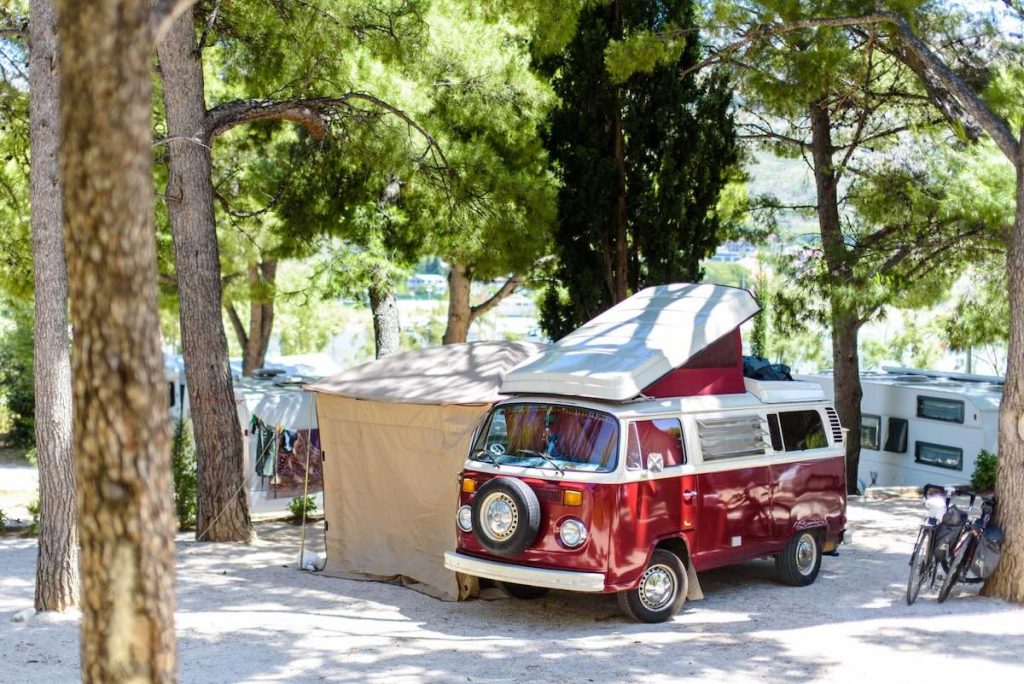
The honest pick for anyone who wants to camp near Split. Campsites around Split are few and far between, and Stobreč is the one the guidebooks and the Croatian Camping Union point to: a well-rated, family-run site in the village of Stobreč, a short bus ride east of the city, with a pebble beach, shade, and a relaxed atmosphere that the big Istrian resorts cannot offer. It is smaller and simpler than the five-star resorts — and that is the point. Use it as a base for Split itself, for the islands, and for the day trips along the coast for camping in Croatia.
★ 4.3 · 74 Google reviews
Family campsite near Split. Pebble beach, pitches and mobile homes. Short bus ride to Split old town.
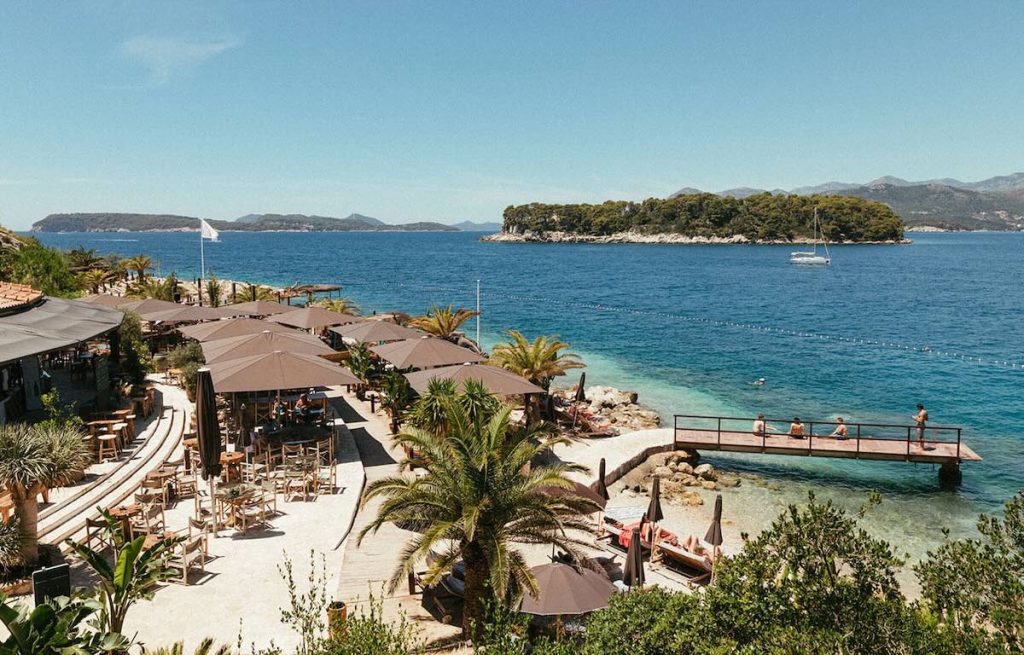
Camping Solitudo, Dubrovnik
Dubrovnik has exactly one official campsite within the city limits, and this is it — which makes Solitudo less a choice than a necessity if you want to camp in the south. The good news is that it is a pleasant one: on the Lapad peninsula, with direct access to the beach, pine shade, and a bus stop outside the gate for the ten-minute ride into the old town. It fills fast in summer, so book as early as you can, and expect Dubrovnik prices rather than Istrian ones for camping in Croatia.
★ 3.5 · 51 Google reviews
Resort campsite on the Lapad peninsula, Dubrovnik. Direct beach access, bus to the old town.
Camping in Croatia: the rules that catch people out
This is the section to read before you pack. Croatia has no right to roam, and wild camping is illegal nationwide — on public land and on private land, for tents and campervans alike. Sleeping overnight in a car park, at a beach, at a viewpoint or in a lay-by outside a registered site can be fined, and enforcement is real along the coast, in tourist towns and inside the national parks during summer. Fines commonly run from around €100 to €300, and can reach €1,000 or more in national parks and protected areas. Verbal permission from a landowner does not make it legal — the land must be registered as a campsite for camping in Croatia.
The legal alternatives are good ones: registered campsites, of course, and around 500 camper stops (autostops) across the country, many of them right by the beach. Open fires and outdoor barbecues are banned by law from 1 June to 31 October because of wildfire risk, so plan your cooking around the site’s facilities. And inside the national parks — Plitvice, Krka, Paklenica — camping is completely forbidden; stay at a site outside the park and drive in for the day. Our guide to Plitvice Lakes covers how to plan that visit for camping in Croatia.
What camping in Croatia costs
Prices vary widely by season, site and pitch type, so treat these as honest ballpark figures rather than quotes. A standard pitch for two people with a tent or campervan typically runs around €20–€45 per night, and glamping units around €90–€220 per night — with July and August at the top end and May, June and September often half the peak price. On top of the pitch price, expect a residence (tourist) tax per person per day, which most sites charge separately, and a one-off reservation fee if you want to pick an exact pitch number (Park Umag, for example, charges €120 for that).
A few money tips that actually help: the ACSI CampingCard gives real discounts in the low season at many Croatian sites — Falkensteiner Zadar and Park Umag both accept it across long discount windows. Booking direct through the campsite’s own site is usually cheapest, and the premium resorts run early-booking offers in winter for the following summer. And if you are comparing a pitch with a mobile home, remember the mobile home price usually includes the things a pitch charges extra for: electricity, water, and a proper bed.
When to go camping in Croatia
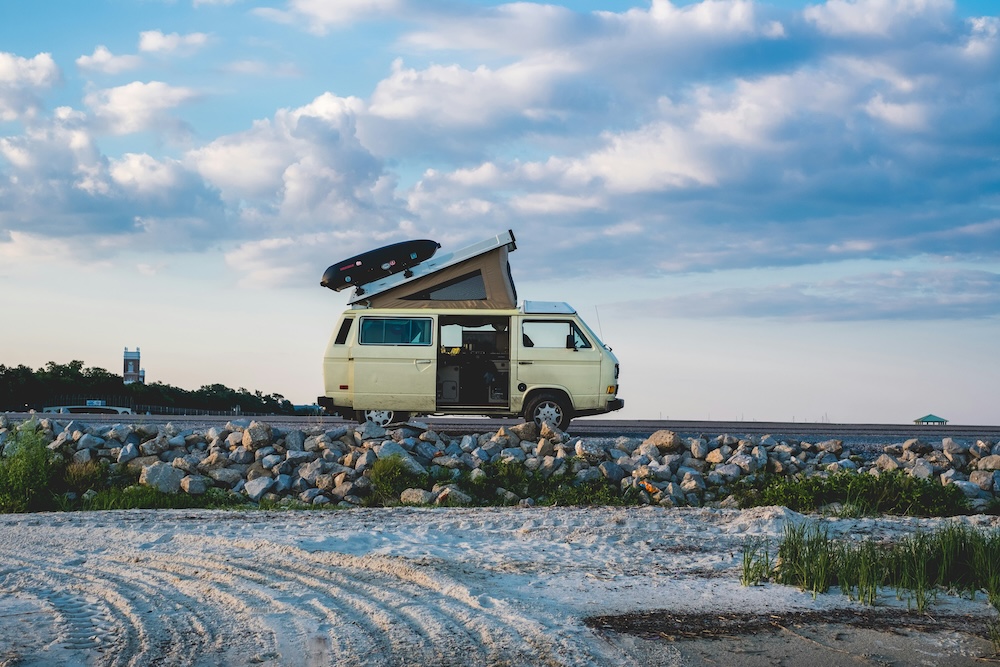
Most coastal campsites open in April and close in October, with the season running roughly Easter to mid-October. The sweet spots are May, June and September: warm enough to swim, quiet enough to get a good pitch without booking months ahead, and priced well below the July–August peak. July and August are glorious and crowded — book months in advance, and expect the big family resorts to be at full capacity for camping in Croatia.
A handful of sites stay open year-round — Falkensteiner Zadar and Camping Krk among them — which makes winter camping in Croatia a real, if chilly, option. If you want the full picture of what each month brings, our guide to Croatia in November shows how the coast changes once the season ends for camping in Croatia.
How to book a campsite in Croatia
Book direct on the campsite’s own website wherever you can — it is usually the cheapest route, and it lets you pick a pitch category rather than a lottery. For July and August, book as early as possible: the best-rated campsites in Istria and around Zadar fill up months ahead, and the premium mobile homes go first. PiNCAMP (ADAC) and ACSI both list Croatian campsites with verified classifications and reviews, and both are worth checking before you commit for camping in Croatia.
If you are travelling with a campervan, check the pitch size before booking — some of the older, prettier sites have tight access roads that do not suit long rigs. And if you are planning days out from your base, our guides to the best day trips from Split and the best things to do in Istria are the honest place to start when camping in Croatia.
Camping in Croatia FAQs
Is wild camping legal in Croatia?
No. Wild camping is illegal nationwide, including in national parks and at beaches, car parks and viewpoints. Fines commonly run €100–€300 and can exceed €1,000 in protected areas. Use registered campsites or official camper stops for camping in Croatia.
Which part of Croatia is best for camping?
Istria has the most top-rated campsites and the most polished offer, and it is the best choice for a first camping trip. Kvarner is quieter and better for island camping and off-season trips. Dalmatia has fewer sites, but they sit in the places you want to be — Pag, Zadar, Split and Dubrovnik for camping in Croatia.
Do I need to book campsites in advance?
In July and August, yes — the best-rated sites fill up months ahead. In May, June and September you can usually book a few weeks out, and sometimes just turn up. Year-round sites like Falkensteiner Zadar and Camping Krk are bookable all year for camping in Croatia.
Can I camp with a dog?
Many Croatian campsites accept dogs, and some have dedicated dog beaches — but not all, and some charge a daily fee per dog. Check the campsite’s own site before booking, and never assume a beach allows dogs in season.
Is camping in Croatia good for families?
It is one of the best family holidays in Europe. The big Istrian resorts are built around children — pools with slides, kids’ clubs, animation, shallow beaches — and the smaller Dalmatian sites are calmer and cheaper. Bring bikes: most campsites are made for cycling.
What should I pack that I might forget?
A long extension lead and a European adapter for the pitch electricity, a groundsheet for the stony ground, and shade — many pitches are under pines, but not all, and the Dalmatian sun is serious by June. Mosquito repellent for the evenings near the water is worth its weight.
| Sources (verified November 2026): PiNCAMP/ADAC Croatia rankings and classifications (pincamp.com); Istra Camping official site — Park Umag awards, pitches, seasons (istracamping.com); Visit Croatia campsite guide (visit-croatia.co.uk); Top Camping Croatia — best campsites and 5-star picks (topcamping.hr); Wanderlog/Google ratings for Lanterna and Falkensteiner Zadar; glampings.com guest scores for Istra Premium Camping Resort and Lanterna; ACSI CampingCard (campingcard.co.uk); Avtokampi.si campsite directory and Best Camp awards; Croatia camping rules guides (fitcationhq.com, campervanplanet.com, ved-travel.com). |