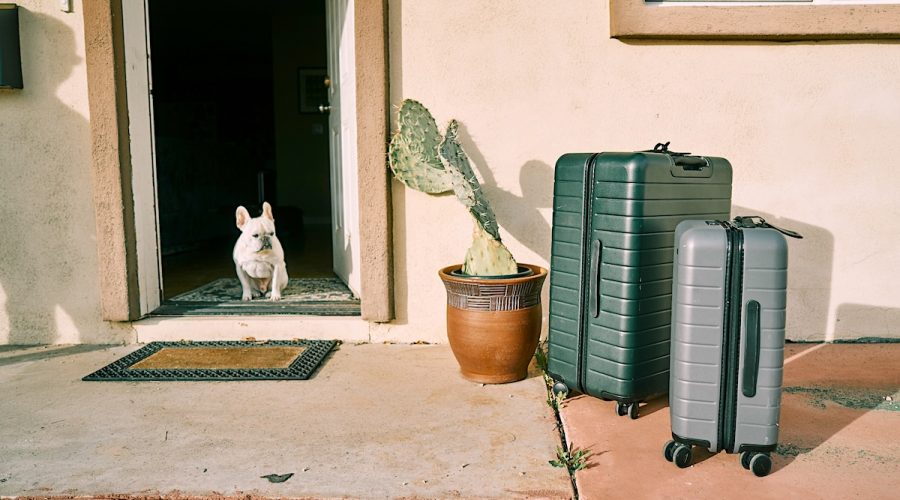
Traveling with Dogs in Croatia
Croatia loves dogs — it just has rules about them
Traveling with dogs in Croatia is easier than most people expect, and more rewarding than almost anywhere else on the Mediterranean. The coast is made for dogs: pebble coves instead of scorching sand, pine shade behind nearly every beach, drinking water at every café, and a whole network of official dog beaches where your dog can swim properly instead of sneaking in at the edge of a crowded bay.
Croatians keep dogs everywhere — in apartments, in cafés, on boats — and a well-behaved dog is welcome in far more places than the guidebooks suggest for traveling with dogs in Croatia.
The catch is that Croatia has rules, and they are enforced. Dogs are banned from most public beaches in summer, they need a muzzle on ferries and buses, and a handful of breeds face strict handling rules. None of this is hard once you know it. This guide is everything I would tell a friend who asked me, honestly: the paperwork, the beaches that are actually worth going to, how to get around, and how to keep your dog safe in the Dalmatian summer when traveling with dogs in Croatia.
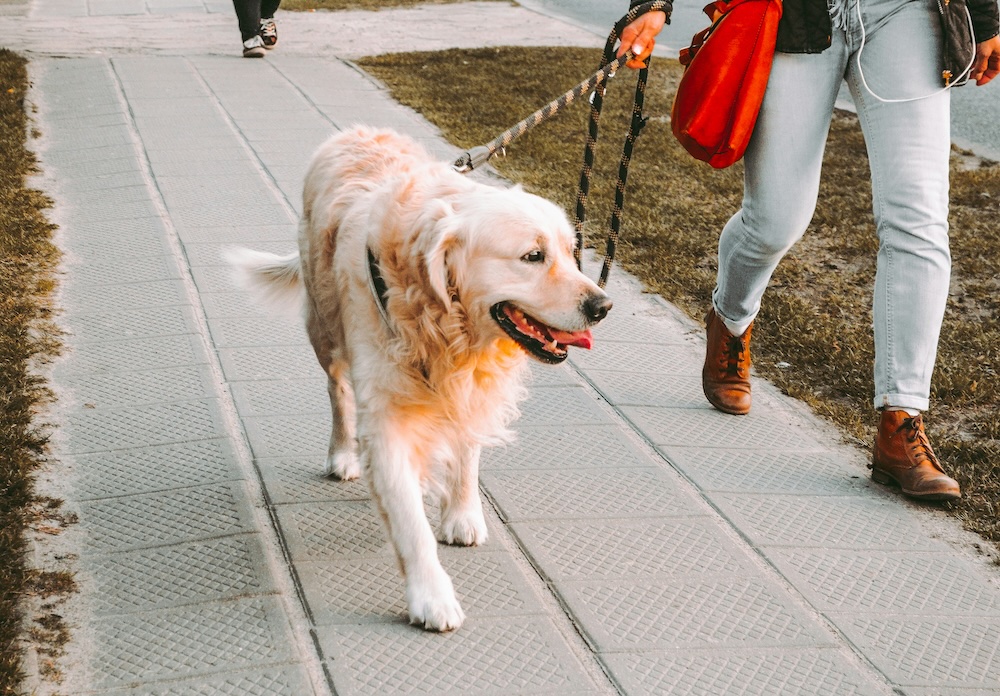
Before you go: bringing your dog into Croatia
The paperwork for traveling with dogs in Croatia follows the standard EU pet travel rules, and the rules depend on where you are traveling from, not on your nationality. Get this part right and the rest of the trip is easy for traveling with dogs in Croatia.
From another EU🇪🇺 country, your dog needs three things: a microchip, a valid rabies vaccination, and an EU pet passport. The order matters — the microchip must be implanted before the rabies vaccination, or the vaccination does not count for travel and has to be repeated. After a first rabies vaccination, wait at least 21 days before traveling.
A booster given before the previous vaccination expires needs no new waiting period. No tapeworm treatment is required to enter Croatia, and there is no quarantine for pets arriving with correct paperwork. Up to five pets may travel with one person for non-commercial travel.
From outside the EU🚫🇪🇺, including the United States, Canada and Australia, your dog needs the same microchip and rabies vaccination, plus an EU animal health certificate issued by an authorized veterinarian and endorsed by your country’s veterinary authority — valid for 10 days from issue until the border check. Dogs arriving from high-risk countries also need a rabies antibody titre test: a blood sample taken at least 30 days after vaccination, with entry allowed no earlier than three months after the sample.
Pets from outside the EU must enter through a designated travelers’ point of entry. Check the official requirements for your departure country before you travel, and use the EU pet travel checker to confirm them when traveling with dogs in Croatia.
From Great Britain🇬🇧, note that EU pet passports issued in Great Britain are no longer valid for travel to Croatia. You will need an EU animal health certificate issued by an official veterinarian no more than ten days before entry into the EU.
Breed rules matter. Pit bull-type dogs that are not registered with the FCI (the World Canine Organisation) may not enter Croatia at all — not even in transit. Bull terrier types (Staffordshire Bull Terrier, American Staffordshire Terrier, Bull Terrier, Miniature Bull Terrier) can enter if they carry FCI pedigree papers. A separate list of breeds — including Dobermanns, Rottweilers, German and Belgian Shepherds, Great Danes, mastiffs, Japanese fighting dogs, large Japanese spitzes and Illyrian Shepherd Dogs, and their crosses — must be kept on a leash and muzzled in public at all times.
The French Mastiff and the Neapolitan Mastiff are the exceptions: leash yes, muzzle not required. All dogs, whatever the breed, must be on a leash in public spaces. If you are unsure whether your dog falls under these rules, check with the Croatian Ministry of Foreign and European Affairs before you travel — this is one rule worth getting right in advance.
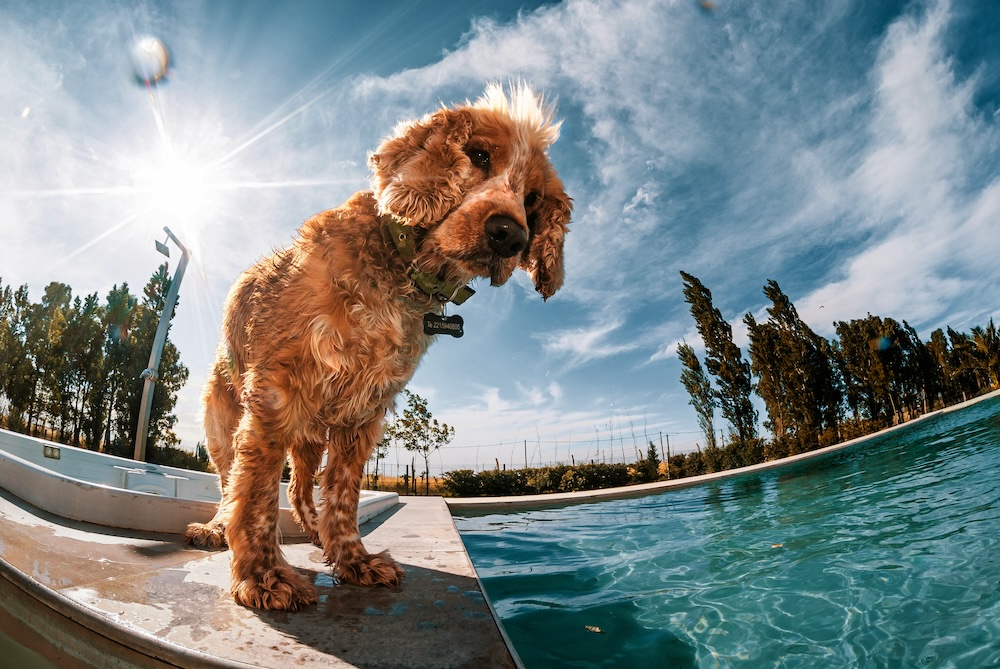
The one rule that shapes everything: where dogs can swim
Here is the honest truth about traveling with dogs in Croatia: your dog cannot swim at most public beaches in summer. Dogs are banned from public beaches, and swimming with dogs is prohibited on Blue Flag beaches. The good news is that Croatia has official dog beaches all along the coast — marked with a flag showing a dog bone — plus plenty of wild coves where dogs are tolerated as long as they do not disturb anyone.
In Split, dogs are banned from the main beaches from June 1 to October 1. Out of season, the rules relax everywhere, and a quiet pebble cove in October is often the best swim of the trip when traveling with dogs in Croatia.
The practical rule: go to a designated dog beach in July and August, and enjoy the wild coves in May, June, September and October. The beaches below are the ones worth planning a day around — all of them verified as designated dog beaches, and none of them padded in to fill a list for traveling with dogs in Croatia.
The best dog beaches in Croatia
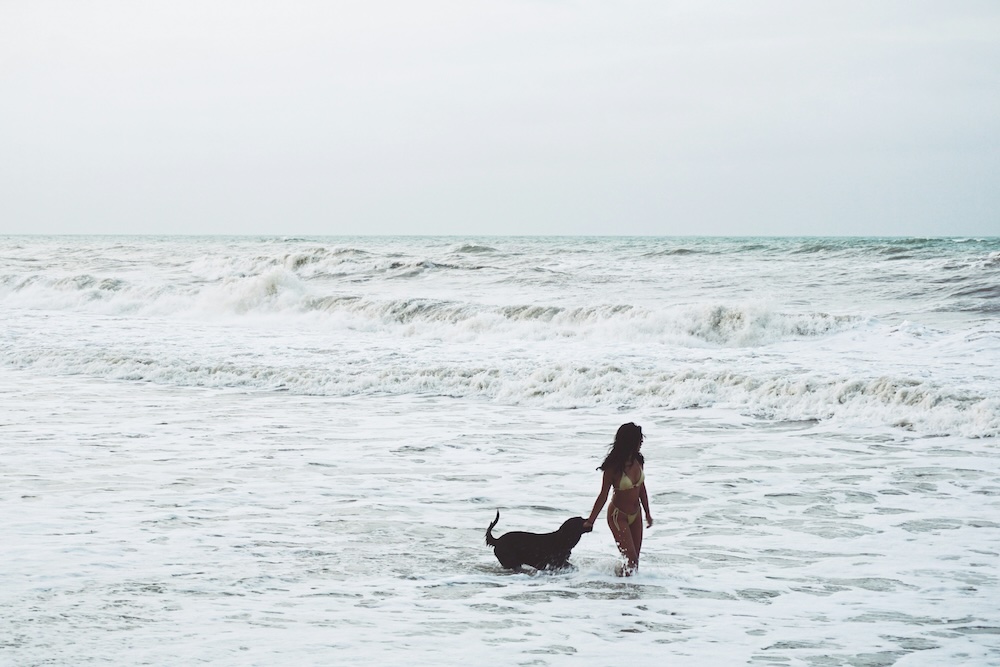
Podvorska Beach, Crikvenica
Podvorska is the one Croatian dog beach that people travel for. It sits in Crikvenica, on the Kvarner coast just south of Rijeka, and it is a proper facility rather than a tolerated strip of shore: a pebble beach with a sunbathing area, shade, and Monty’s Dog Beach & Bar serving snacks and drinks for dogs and owners alike.
It is regularly named among the best dog beaches in the country, and it is the easiest first answer to the question of where to swim with a dog in Croatia. If your trip starts in the north, start here when traveling with dogs in Croatia.
🐾🏖️ Podvorska Beach, Crikvenica — View on Google Maps
Kašjuni Beach, Split
Kašjuni sits at the foot of Marjan hill on Split’s western edge, and it is the dog beach Split locals actually use. It is a natural pebble cove with no amenities to speak of — no bar, no showers, no shade for hire — which is exactly its charm: pine trees behind the beach, clear water, and space. Reach it on foot through Marjan Park or by bus toward the Marjan side of town.
Pair it with a walk on Marjan itself, which is one of the best dog walks in Dalmatia. For the rest of Split, see our guide to the 7 best day trips from Split.
🐾🏖️ Kašjuni Beach, Split — View on Google Maps
Duilovo Beach, Split
Duilovo is Split’s other official dog beach, near Žnjan on the eastern side of the city, and it is the equipped one: a roughly 40-metre pebbly stretch with tents for shade, showers and drinking water for dogs. If Kašjuni is the locals’ wild cove, Duilovo is the practical choice — especially with a dog that needs shade and fresh water on a hot day. It is easy to reach by public transport when traveling with dogs in Croatia.
🐾🏖️ Duilovo Beach, Split — View on Google Maps
Vartalac Beach, Komiža, island of Vis
Vartalac is one of the rare official dog beaches on the islands, a lovely pebble beach on the outskirts of Komiža on the southern shore of Komiža Bay. Vis is already the island to choose if you want Croatia without the crowds, and Vartalac is the reason it works with a dog. Take the ferry from Split — dogs travel free on the car deck, muzzled and leashed — and the island opens up: quiet coves, empty roads, and a town that moves at a dog’s pace for traveling with dogs in Croatia.
🐾🏖️ Vartalac Beach, Komiža, island of Vis — View on Google Maps
The Golden Horn dog section, Bol, island of Brač
Zlatni Rat — the Golden Horn — is Croatia’s most photographed beach, and it has a designated dog section at its edge. It is not a hidden gem, and in high summer it is busy, but the dog area is real and the water is the same impossible turquoise. Come early in the morning or out of season and it is one of the great dog swims in the country. The ferry from Split to Supetar takes about 45 minutes, and dogs ride free on the car deck when traveling with dogs in Croatia.
🐾🏖️ The Golden Horn dog section, Bol, island of Brač — View on Google Maps
Cvitačka Beach, Makarska
Cvitačka is Makarska’s dog beach, only about 2 km from the town centre, and the closest place to swim with a dog on the Makarska Riviera. It is the practical answer for anyone staying in Makarska with a dog: no long drive, no ferry, just a short walk from town. Dogs must stay on a leash in town and on the promenade, and Cvitačka is the one place where they can properly be off and in the water when traveling with dogs in Croatia.
🐾🏖️ Cvitačka Beach, Makarska — View on Google Maps
Kanegra Beach, Umag
Kanegra, near Umag in northern Istria, has a designated dog-friendly area and the crystal-clear water that made Istria famous. It is a good first stop if you are driving into Croatia from the north — close to the Slovenian border, easy to reach, and a gentle introduction to how Croatian dog beaches work. Istria has more official dog beaches than anywhere else in the country, and Kanegra is one of the most reliable for traveling with dogs in Croatia.
🐾🏖️ Kanegra Beach, Umag — View on Google Maps
Cuvi Beach, Rovinj
Cuvi is Rovinj’s designated dog beach, and Rovinj is one of the most dog-friendly towns in Istria — compact, walkable, and full of café terraces where a dog under the table is normal. The town’s other dog-friendly stretches include the bays of Veštar, Cisterna and Kaštelan. For everything else worth doing in the region, see our guide to the best things to do in Istria for traveling with dogs in Croatia.
🐾🏖️ Cuvi Beach, Rovinj — View on Google Maps
Punta Verudela, Pula
Punta Verudela is Pula’s pebble dog beach, with a designated area for dogs to roam and play. Pula is a good base for traveling with dogs in Croatia: the town is flat and walkable, the coast south of town has several dog-friendly stretches (including the wild bays of Cape Kamenjak, where the Premantura dog beach sits inside a protected nature park), and the ferry-free drive to the rest of Istria is short for traveling with dogs in Croatia.
🐾🏖️ Punta Verudela, Pula — View on Google Maps
Vela Plaža, Baška, island of Krk
Vela Plaza in Baška, on the island of Krk, is a long pebble and sandy beach — about 2 km — with excellent water quality and a dog beach in the Zarok area. Krk is reached by bridge, so there is no ferry to plan around, and the island has three official dog beaches, including Punta Šilo in the village of Šilo, a small secluded cove with a pebble beach. Krk is the easiest island trip in Croatia with a dog, and the best one if your dog is not a fan of ferries when traveling with dogs in Croatia.
🐾🏖️ Vela Plaža, Baška, island of Krk — View on Google Maps
Mandrač Beach, Dubrovnik
Dubrovnik is not the easiest city in Croatia with a dog — the Old Town is crowded, steep and hot in summer — but Mandrač is its answer: a small pebbled beach with calm water, good for a dog that wants a swim without the crowds of the main city beaches. Better still, take the ferry from Gruž harbour to the Elaphiti Islands, where the pace drops completely and the beaches are quiet. Our guide to where to swim near Dubrovnik covers the beaches worth the trip when traveling with dogs in Croatia.
🐾🏖️ Mandrač Beach, Dubrovnik — View on Google Maps

Getting around with your dog in Croatia
Getting around is the part of traveling with dogs in Croatia that surprises people most — the rules are specific, but once you know them, the whole country opens up for traveling with dogs in Croatia.
Ferries. Jadrolinija, the state ferry company, accepts dogs on all its lines, and the rules are clear. Small pets travel free, and dogs must wear a muzzle (except assistance dogs) and be kept on a leash. Small pets up to 8 kg may travel in the passenger salons, but only in a carrier with a waterproof bottom, no larger than 45 × 35 × 25 cm, kept under the seat or on your lap — one carrier per passenger.
Larger dogs travel free on ferries and ships but must stay on the open deck. On catamarans, large dogs travel in designated boxes on the open deck, for a fee and with a mandatory reservation — so for a big dog, take the car ferry, not the catamaran. Buy tickets in advance in July and August, when the popular crossings sell out. Check current conditions directly with Jadrolinija at jadrolinija.hr when traveling with dogs in Croatia.
Buses. The rules change by city, and this is where people get caught out. In Split (Promet) and Dubrovnik (Libertas), dogs with a muzzle are permitted on local buses; small dogs in a carrier may travel free. In Zadar, the city buses do not accept non-guide dogs at all — walking, taxi or a rental car are the options there. Always carry a muzzle: even where dogs are allowed, it is usually required when traveling with dogs in Croatia.
Trains. Croatian Railways (HŽ) allows small animals up to 30 cm in height in a suitable transport bag or container. Dogs recorded as dangerous in their passport are not accepted on trains when traveling with dogs in Croatia.
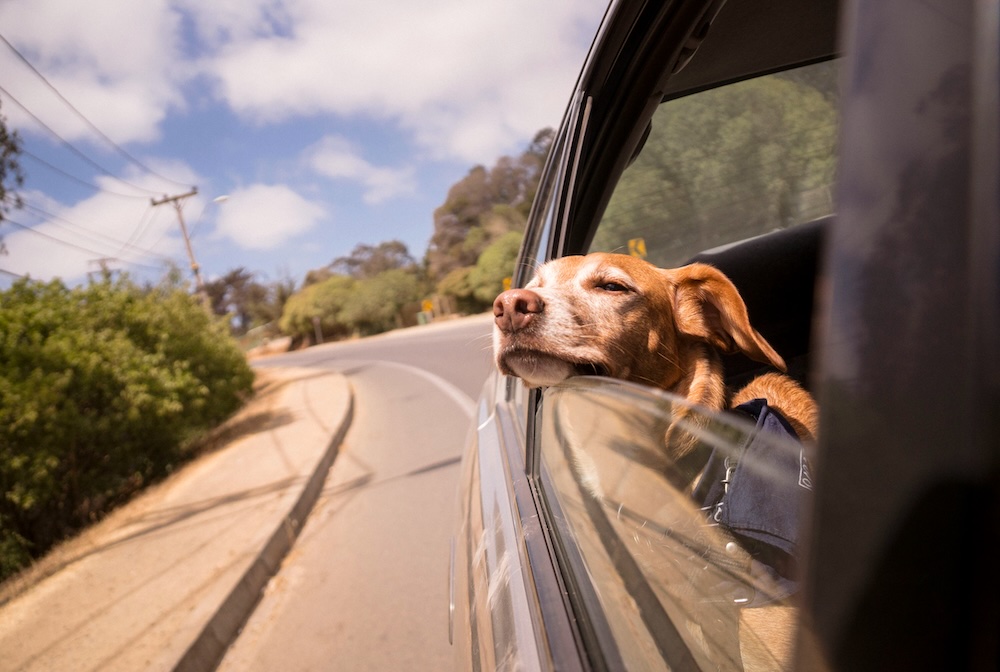
By car. A car is still the easiest way to travel Croatia with a dog — and the only way to reach the wild coves and the national parks on your own schedule. If you are renting, confirm the pet policy before booking: most rental companies allow dogs, but some charge a cleaning fee. Never leave a dog in a parked car, not even for a few minutes — interiors turn lethal fast on this coast. For the honest version of renting and driving here, see our guide to renting a car in Split when traveling with dogs in Croatia.
National parks with your dog
Croatia’s national parks are one of the best parts of traveling with dogs in Croatia — more dog-friendly than most people expect, with rules worth knowing before you go for traveling with dogs in Croatia.
Plitvice Lakes is the most permissive of the big parks: dogs are allowed everywhere, on a leash, including on the electric boats across Lake Kozjak and on the panoramic shuttle trains. There is no ticket or fee for a dog. The leash stays on the whole time, and dogs may not go in the water — swimming has been banned for everyone, people and dogs alike, since 2006. On the boardwalks, which have no railings on most sections, a short leash is safer than a long one. Read the full practical picture in our Plitvice Lakes guide for traveling with dogs in Croatia.

Krka is nearly as welcoming, with two differences. Dogs must be leashed at all times, and they also need a muzzle on the park bus and boat. Dogs are not allowed on Visovac Island or on the Krka Monastery boat excursion. Swimming has been banned park-wide since July 1, 2021 when traveling with dogs in Croatia.
Brijuni is the one park that charges for a dog — €15 per dog in 2026, with service and guide dogs exempt. Dogs are not allowed on the tourist train, in the museums or in the Safari Park. The best months for parks with a dog are May to early June and September to early October, when the trails are quiet and the heat is manageable.
Eating out and staying over with your dog
Café culture is a big part of traveling with dogs in Croatia — dogs are part of the terrace scene, not an exception to it. Croatian cafés and restaurants are, in practice, very dog-friendly — but the rules are local, not national. Animals are prohibited from food preparation and retail areas by law, while access to dining areas and terraces is decided locally. In practice, that means a dog is welcome on most café terraces and in many restaurant gardens, especially outside the Old Town lunch rush.
Ask first, bring a blanket or mat for your dog to lie on, and keep the leash short. A dog that settles under the table will be welcomed back; a dog that begs at neighbouring tables will not.
For accommodation, filter for “pets allowed” and then confirm directly with the host — a listing that says pets allowed may still mean small dogs only, or one dog only, or a fee per night. Booking ahead matters more when traveling with dogs in Croatia than it does for a trip without one — the best dog-friendly apartments go first. Apartments and villas are usually the easiest option: a garden, a terrace, and no shared breakfast room to negotiate.
Campsites are often the most dog-friendly of all, and many have their own dog beaches. Expect a pet fee of a few euros a night where one applies, and bring your dog’s bed — a familiar smell settles a dog faster than anything in a new place for traveling with dogs in Croatia.
Summer in Croatia with a dog: the honest warnings
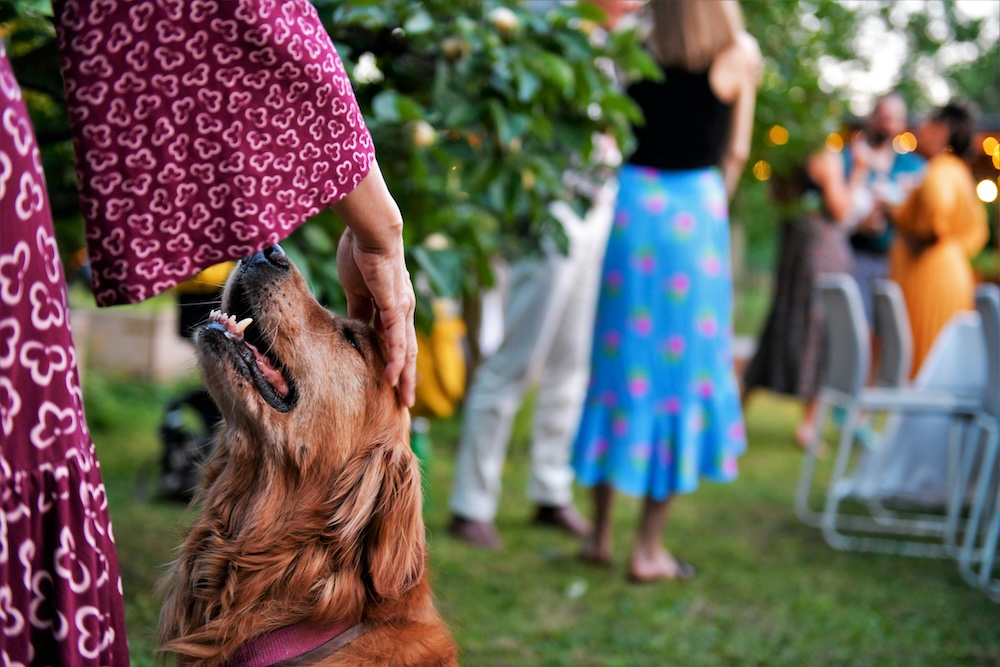
Summer is the hardest season for traveling with dogs in Croatia, and it is worth saying plainly. The coast is hot — stone streets and pebble beaches hold the heat, and a dog’s paws burn on hot pavement. Walk early, before 09:00, and late, after 19:00, and test the pavement with your own hand before your dog walks on it. Carry water everywhere, not just for the beach: drinking fountains exist in most towns, but a collapsible bowl in your bag is the difference between a comfortable dog and a stressed one.
Never leave a dog in a parked car, even with the windows cracked — on this coast, a car interior turns lethal within minutes. Shade is not optional at midday: pine trees, a beach tent, or a café terrace, in that order.
The other honest warning is about the sea itself. The Adriatic is calm and clean, but sea urchins live on the rocky seabed — a dog that scrambles over rocks can come back with spines in its paws. Pebble beaches with clear water are safer than rocky ones, and a quick check of the paws after a swim is a good habit. None of this should put you off: with water, shade and sensible hours, a dog will love a Croatian summer as much as you do when traveling with dogs in Croatia.

When to go
If you can choose, choose May, early June, September or early October — the best months for traveling with dogs in Croatia. The sea is warm enough to swim, the dog beaches are quiet, the ferries run full schedules, and the towns are walkable in the middle of the day. July and August work too — this guide exists because they do — but they demand the early-morning, late-evening rhythm and a little more planning. Winter is the secret season: empty beaches, no beach bans to worry about, and a dog that has the whole coast to itself when traveling with dogs in Croatia.
Traveling with dogs in Croatia rewards the small amount of planning it asks for: the paperwork done once, a muzzle in the bag, a dog beach picked before you arrive. Do that, and the trip is not a compromise version of a Croatian holiday — it is the better version, with the best company.
FAQs
Can I take my dog on the beach in Croatia?
Yes — on designated dog beaches, which are marked with a dog-bone flag, and on wild coves out of season. Dogs are banned from most public beaches in summer and from Blue Flag beaches.
What paperwork does my dog need to enter Croatia?
From the EU: a microchip implanted before the rabies vaccination, a valid rabies vaccination, and an EU pet passport. From outside the EU: the same, plus an EU animal health certificate, and possibly a rabies antibody titre test.
Are dogs allowed on ferries in Croatia?
Yes. On Jadrolinija ferries, small pets travel free in a carrier in the salons; larger dogs travel free on the open deck, muzzled and leashed. On catamarans, large dogs travel in designated boxes on deck, for a fee and with a reservation.
Are dogs allowed in Plitvice Lakes National Park?
Yes, on a leash, everywhere in the park including the boats and trains, with no fee. Dogs may not swim in the lakes.
Which breeds face restrictions in Croatia?
Pit bull-type dogs without FCI pedigree papers may not enter Croatia. Several breeds, including Rottweilers, Dobermanns and German Shepherds, must be leashed and muzzled in public at all times.
| Sources checked November 2026: the Croatian National Tourist Board (croatia.hr) pet travel page; the Croatian Ministry of Foreign and European Affairs (mvep.gov.hr) non-commercial movement of pets page; Jadrolinija’s official FAQ (jadrolinija.hr); Plitvice Lakes National Park’s official rules (np-plitvicka-jezera.hr); Krka National Park’s official rules (npkrka.hr). Entry rules change — confirm the current requirements for your departure country before you travel. |